A few places. Room to choose.
Japan can begin with an urban neighbourhood rather than an ambitious chain of destinations. Tokyo offers contrasting districts within a city on Tokyo Bay. Kyoto combines historic streets with places beyond the central sightseeing area. The Kumano Kodo introduces a different pattern: pilgrimage places and wooded paths on the mountainous Kii Peninsula. Decide which pattern you want before drawing a line between them.
For a city trip, plan the relationship between your room, the station and the neighbourhood you want to explore. For a walking trip, plan the route ends, overnight arrangements and transport that connects them. The useful comparison is how you want to spend a day, not how many names can fit on a map. Keep a smaller alternative for an outing that cannot be confirmed, and verify luggage arrangements before changing bases.
Places to begin.
Tokyo
Pick one neighbourhood as your starting point: Asakusa for a historic district, or Shibuya and Harajuku for another side of the city. Tokyo’s official destination guide treats its areas separately; your plan can do the same.
Write down the airport, station and accommodation connection rather than treating Tokyo as a single arrival point. Group nearby interests into an outing and reserve room for unplanned exploration. This starter does not establish travel times between districts.
Sources: JP-S1
Kyoto
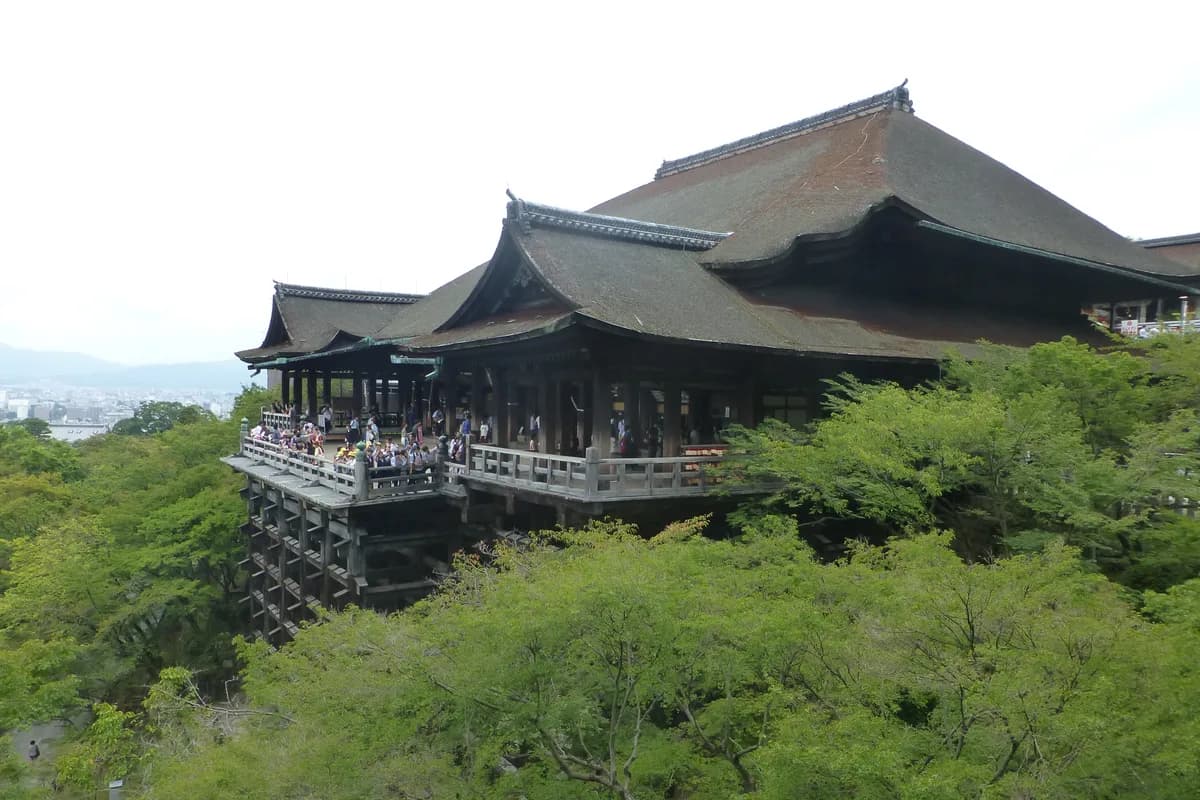
Choose Kyoto for historic streets, shrines and a base that can support a separate outing to areas such as Uji. Compare time in the city with an excursion instead of adding both automatically to each day.
Use the official congestion information when choosing a popular site. Check the correct line and onward connection for an outlying area: the tourism guide distinguishes direct rail-accessible districts from places requiring changes or a bus. Confirm your luggage storage plan separately.
Sources: JP-S2
Kumano and the Kii Peninsula
The Kumano Kodo offers pilgrimage routes through a mountainous peninsula. You can begin by comparing a shrine-focused visit with a specific walking section; a destination overview is not a route passport.
Choose exact start and end points, then check the connecting train and bus services, accommodation and current trail information. Write down the return option before walking. The published tourism itinerary supplies orientation, but its example timings are not a live schedule.
Sources: JP-S3
Make the day work for you.
- Do you want neighbourhood exploration, cultural outings or a particular walking section?
- Which bases reduce the number of luggage moves in your chosen plan?
- What is the confirmed connection at both ends of the rural outing?
A closer look at Japan.
Your First Japan Trip by Train: Plan the Connections First
Build a first Japan rail trip around a few useful bases, complete connections and ticket checks, with an example that leaves room to explore.
Tokyo or Kyoto? Choose a Base Around the Places You Want to See
Compare Asakusa and Tokyo's fashion districts with Kyoto's historic areas and a Uji tea outing, then decide whether a second stay earns its moving day.
Luggage Between Japanese Cities: Carry, Store or Forward?
Separate your journey from your suitcase journey, compare three luggage choices and check train rules, hotel acceptance and delivery timing.
Kamikochi: Riverside Walks in the Japanese Alps
Choose a Kamikochi valley walk between Taisho Pond, Kappa Bridge and Myojin, with named distances and the Matsumoto bus connections that shape your day.
Magome to Tsumago: A Nakasendo Day Walk
Walk the Nakasendo from Magome to Tsumago, with time in both post towns, a clear station-to-station plan and a separate arrangement for your luggage.
Lake Kawaguchiko’s North Shore: Fuji Views and Lakeside Stops
Plan a relaxed north-shore visit to Lake Kawaguchiko around Oishi Park, lakeside flowers and one extra stop, with a worthwhile day when Fuji stays in cloud.
Kumano Kodo in One Day: Hosshinmon-oji to Hongu
Walk the Kumano Kodo from Hosshinmon-oji to Hongu in one day: 7.5 km through villages and forest, with a bus to the start and time at the shrine.
Naoshima in One Day: Art, Coast and Ferry Connections
Build a Naoshima day around one museum or Honmura art walk, time by the sea and ferry connections that leave room to enjoy the island.
Oirase Gorge: Choose a Short Riverside Walk
Choose a short Oirase Gorge walk from Nenokuchi to Choshi Otaki Falls, with a clear one-way distance, return option and seasonal bus connections.
Good questions before you go.
Should Tokyo be planned as one sightseeing stop?
Choose districts first. The official guide separates Tokyo into areas with different interests; this makes it possible to build an outing around nearby places.
Sources: JP-S1
Can a Kyoto base include places outside the centre?
Yes, but verify the specific connection. The official guide lists rail-accessible areas and others requiring a change or bus; not every excursion has the same transport pattern.
Sources: JP-S2
Does this page validate a Kumano walking route?
No. It identifies a landscape to research. A chosen section still needs its route details, current access, overnight arrangements and connecting transport checked.
Sources: JP-S3
What this collection is based on
Source review: . A source review does not confirm live transport, opening times, access or individual suitability.
- Researched starter ideas, not a tour, ticket offer or firsthand account. No rail-pass value, cost, visa rule or current weather is asserted.
- Confirm exact transport, site access and trail information before travel. Our tags match these ideas, not every part of Japan.
- Tokyo destination guide ↗Japan National Tourism Organization · JP-S1
Supports: Tokyo Bay setting and distinct city neighbourhoods.
Limit: Destination orientation, not live district-to-district transport or accommodation advice.
- Kyoto destination guide ↗Japan National Tourism Organization · JP-S2
Supports: Historic city, outlying areas, congestion planning and varying transport connections.
Limit: Consult the linked local and transport operators for your actual day.
- Trekking the Kumano Kodo Pilgrimage Route ↗Japan National Tourism Organization · JP-S3
Supports: Mountainous Kii Peninsula pilgrimage landscape and rail/bus connection pattern.
Limit: Example itinerary with published timings; not a live timetable or independently verified trail assessment.