Tokyo or Kyoto? Choose a Base Around the Places You Want to See
Compare Asakusa and Tokyo's fashion districts with Kyoto's historic areas and a Uji tea outing, then decide whether a second stay earns its moving day.
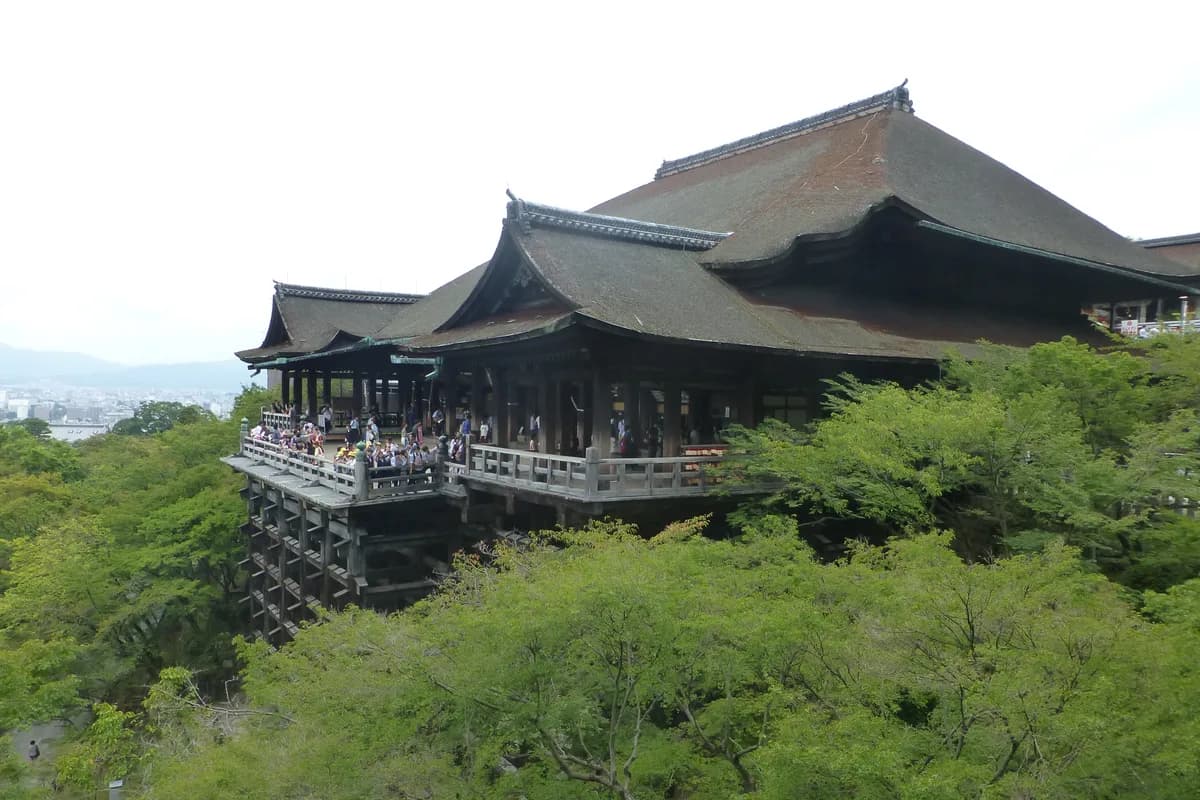
Start with Tokyo if your list pairs Asakusa's temples and traditional stores with time in Harajuku or Shibuya. Start with Kyoto if the visits you most want are around Gion/Higashiyama or central Kyoto, with a separate outing to Uji for tea. Choose a split when you want time in both cities enough to give up part of the trip to changing rooms.
Those are two possible sets of interests, not rules about who belongs in each city. Tokyo has heritage, and Kyoto has contemporary life. The useful question is which city supports the days on your own list.
What would you actually do from each base?
The JNTO Tokyo guide describes Asakusa's temples and traditional stores, and the fashion and youth culture of Harajuku and Shibuya. Its Kyoto guide distinguishes Gion/Higashiyama, central Kyoto and outlying areas, including Uji and its tea culture.
Use those places to make competing drafts for the same trip:
| Part of your stay | Tokyo draft | Kyoto draft |
|---|---|---|
| A day built around a historic area | Choose the temples or stores you want to visit in Asakusa | Choose visits in Gion/Higashiyama or central Kyoto |
| A different interest on another day | Pick Harajuku or Shibuya for a fashion-focused day | Investigate a separate tea-focused outing to Uji |
| What to remove if it does not interest you | The fashion day; Tokyo need not mean shopping | The Uji outing; it need not be on every Kyoto trip |
| What might justify the other base | Kyoto visits you would regret compressing into an excursion | Tokyo district exploration you want time to return to |
These are suggested day patterns, not timed routes. Choosing a district does not establish a walkable sequence, an opening time or a suitable hotel. Select the actual visits next; do not turn every place in a column into one packed day.
Keep Tokyo when Kyoto is only there out of obligation
Consider this hypothetical list: Asakusa, a day looking at fashion in Harajuku or Shibuya, and room to revisit a favorite district. Kyoto appears underneath because the traveler thinks a Japan trip ought to include it.
A Tokyo base gives the first interests time. Before adding Kyoto, name the visit it would make possible. If nothing specific comes to mind, leave the extra stay out of this draft. You can use the Japan starter to explore other possibilities without committing to another room move.
Apply the same test in reverse. If your priorities are Kyoto's historic areas and Uji, a Tokyo stay needs a reason beyond being a familiar name on the map.
Split the stay when both lists matter
In another hypothetical plan, two travelers want both sets of days in the table. They do not want either city reduced to a single excursion. A split is worth investigating because each stay has a different purpose.
Compare the whole move with the day it replaces: packing, check-out, reaching the departure station, the main journey, luggage handling and arrival at the next room. The train ride is only one part. The first Japan rail-trip guide covers those connections; the base or moving-trip guide explains the wider trade-off.
One room also needs a realistic plan. Sleeping in the same place does not remove the connections involved in an outing. Check the return before treating the other city as a day trip.
Test an ordinary day in each base
- Your priorities
- Tokyo anchor
- Room-to-day connection
- Your priorities
- Kyoto anchor
- Room-to-day connection
The branches compare the same priorities against each city. Once you favor a base, test a real accommodation address against its proposed days.
Check the room against your planned visits
For the Tokyo draft, trace the proposed room-to-Asakusa journey and the separate trip to your chosen fashion district. For the Kyoto draft, check the room-to-Gion/Higashiyama or central Kyoto journey, then test Uji separately. Record the line or service, changes, walking portions and the return you expect to use.
JNTO's transport guide notes that railway companies and fares vary, including among services in Tokyo. “Near a station” is therefore a starting point for checking an address, not proof of a direct connection to your list.
Ask about check-in and bag storage where these affect arrival day. Check access to your selected sites as well as transport. The JNTO Kyoto page links congestion-planning resources; use them when deciding the order of visits, without treating them as a promise of quiet streets.
If your group plans separate activities, check both returns and agree who needs the shared room key, luggage or booking details. A shared base can support different days only when those practical arrangements work.
Finish with a decision you can act on: “The Kyoto days matter most to us. We will add Tokyo if we can give it a separate stay and make the luggage move work.” Add your own visits and reasons. Exact fares, journey times, room availability and individual accessibility still need checking before booking.
What this guide is based on
This guide is researched editorial guidance. A source review does not confirm current local access, road conditions or your individual ability.
- How to travel by train and bus in Japan ↗Japan National Tourism Organization · A30-01
Urban/rural transport patterns and multiple operators; no timetable or universal ticket validity.
- Tokyo destination guide ↗Japan National Tourism Organization · A30-04
District orientation and airport names; no live travel times, hotel advice or accessibility guarantee.
- Kyoto destination guide ↗Japan National Tourism Organization · A30-05
City and outlying area orientation, congestion resources; exact connections require fresh checking.