Wildlife Watching in Costa Rica: Choose the Conduct, Not a Guarantee
Ask better questions about wildlife encounters, feeding, photography and provider conduct, and plan a worthwhile day without promising a particular animal.
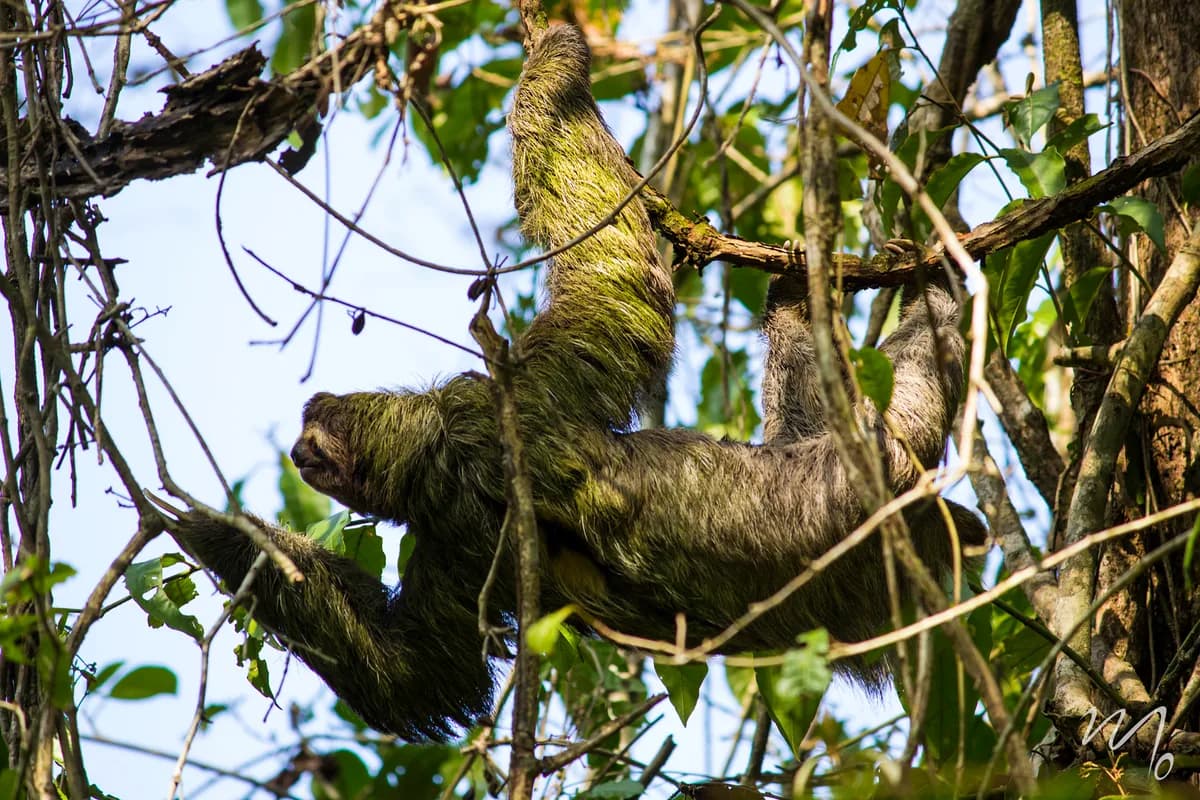
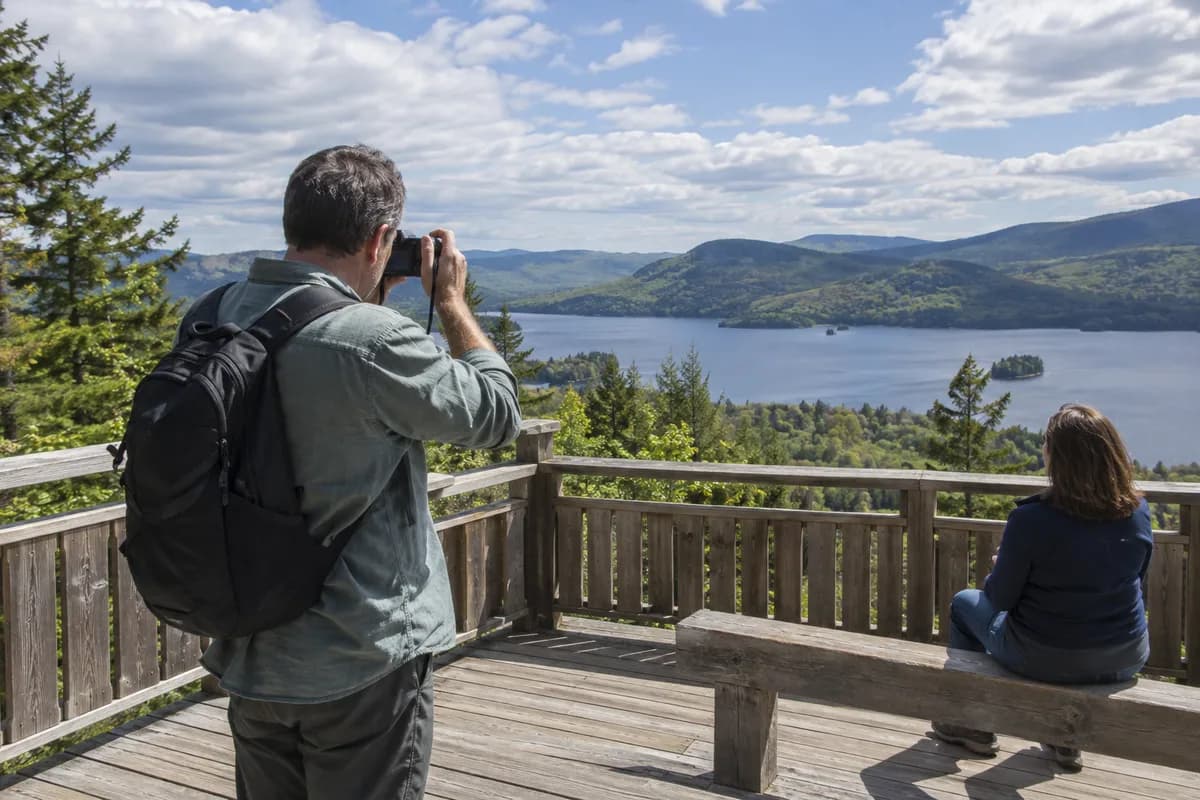
Choose wildlife watching by how the encounter is conducted, not by how close a photograph promises you will get. Ask what the provider does when an animal is absent, moves away or attracts a crowd. A worthwhile nature outing should not depend on touching, feeding or chasing wildlife to deliver its advertised result.
You can care deeply about seeing an animal and still accept that an encounter is not guaranteed. Make that distinction before choosing the activity. It leaves you able to judge the day by its conduct and what you learned, rather than pressure to obtain a particular image.
Start with behavior you can ask about
Costa Rica Silvestre's visitor guidance calls for respectful observation, avoiding handling and attraction with food or sounds, and attention to animals' natural behavior. Use that as a basis for a practical conversation, not a claim that a logo or appealing description certifies a business. Responsible-tourist guidance.
Ask the provider for concrete examples. How would the guide respond if visitors wanted to move closer? What happens if the hoped-for animal is not seen? Which site rules apply? Specific answers help you understand the proposed experience better than broad words such as ethical, sustainable or authentic on their own.
Five questions before you choose an outing
| Ask | What the answer should help you understand |
|---|---|
| What will the group do if the animal is not present? | Whether the visit has a purpose beyond a promised sighting |
| Are animals fed, called, handled or positioned for visitors? | What actually creates the advertised encounter |
| Who sets the approach and stopping rules? | Which guide or site authority directs behavior |
| What happens when another group is already observing? | How crowding changes the plan |
| Which walking and transport arrangements apply? | Whether the whole outing fits your party |
An answer you cannot verify remains an answer from the provider, not a fact established by Trail & Turn. Keep the original message if the conduct is important to your decision. No named business has been assessed or endorsed in this guide.
Keep the animal free to leave
- Stay in your permitted place
- Watch without chasing or baiting
- Animal approaches or retreats
- Change your behavior
- Leave if needed
The diagram focuses on changing human behavior. It supplies no species-specific viewing distance and does not ask a visitor to diagnose animal stress independently. Follow the site and guide's instructions, and leave an encounter that depends on intrusive conduct.
Feeding can be less obvious than a handout
The official feeding-wildlife sheet includes leaving food or leftovers out and placing attractants for a closer look, alongside direct feeding. It explains that feeding changes animals' natural behavior. This is a reason to ask how an encounter is created, not only whether visitors themselves may offer food. Feeding Wildlife.
Consider a hypothetical visitor who rejects hand-feeding but chooses a stop advertised around animals gathering at food left outside. The relevant question is the same: are the animals being attracted for the experience? A different presentation does not remove the need to ask.
Keep food and waste arrangements in the provider conversation too. Ask what you should bring, where it may be used and what the site's rules require. Do not improvise feeding as a gesture of kindness or a way to rescue an otherwise quiet outing.
Choose the photograph before the pressure arrives
The ethical photography code linked by Costa Rica Silvestre rejects holding wild animals for selfies, chasing them or attracting them with food and sounds. It promotes calm observation with space for the animal. Wildlife photography code.
Decide in advance that an animal moving away is not a request to follow it for a better frame. If the only way to obtain the picture is to change the encounter in an intrusive way, leave the picture untaken. A photograph showing less detail can still record an honest experience.
Imagine a family whose hoped-for animal remains partly hidden. One person wants everyone to move closer; another would rather keep watching from the agreed place. They can make the decision simpler by adopting the site's conduct rules before the outing. The aim is not to win an argument about photography, but to avoid turning the animal into a prop for the group.
Define a good day without a particular sighting
Write down what else would make the outing worthwhile: time in the landscape, learning how observation works, following a particular trail or sharing a quiet activity. Check those elements with the actual provider. They should be part of the experience you choose, not imagined compensation after a disappointment.
If nothing except a close encounter would satisfy the plan, reconsider the activity's promise. More stops and a longer species checklist do not establish a better day. A smaller, well-conducted outing may fit your interests more honestly.
Practical suitability still matters. Ask about the walking surface, return arrangement, group instructions and facilities relevant to your party. The base-count comparison helps locate the outing within the stay, while the rainy-season guide separates weather planning from permission to operate.
Apply the conduct test to the Manuel Antonio branch
For the Quepos/Manuel Antonio day, keep three choices separate: access to the park, a separately arranged guided activity, and the hoped-for sighting. SINAC's portal distinguishes entry from additional services. A guide booking does not replace admission, and a valid entry does not promise an animal encounter.
Before selecting an outing, ask the guide what the visit covers if the hoped-for animal is not seen, how the group behaves when another group is observing, and how food/waste follows the actual park rules. The responsible-tourist guidance supports avoiding intrusive attraction/handling; it does not certify a provider's answer.
If the park branch changes, do not turn the replacement into a roadside stop where animals are lured closer to make up for the lost visit. Choose the alternative for its own purpose. If photography is central for the group, agree the stops and limits beforehand. No current population figure, likely species list or successful-sighting rate is inferred from destination material.
Record an observation without making a new guarantee
Afterwards, distinguish what you saw from what the provider promised and what you recommend. A useful note might say that your group followed a particular conduct rule, that a hoped-for sighting did not occur, and what still made the day valuable. Do not invent a species identification or present one visit as a permanent viewing forecast.
For your own preparation, adapt the day-hike checklist only where it fits the actual outing. Confirm site rules and any special equipment with the responsible provider. This guide establishes neither animal availability nor a universal distance, legal interpretation or certification of an operator. It gives you a better basis for choosing how you participate.
What this guide is based on
This guide is researched editorial guidance. A source review does not confirm current local access, road conditions or your individual ability.
- Good practices for interactions with biodiversity in tourism ↗Costa Rica Silvestre / SINAC-MINAE wildlife initiative · A30-17
Respectful conduct guidance; not a certification of a named operator or a universal species-specific distance. No legal interpretation or biodiversity statistics copied.
- Feeding Wildlife ↗Costa Rica Silvestre / SINAC-MINAE wildlife initiative · A30-18
Feeding/attracting wildlife guidance; no veterinary diagnosis or guaranteed ecological outcome asserted.
- Ethical code for photos and selfies with wildlife ↗Stop Animal Selfies campaign, linked by Costa Rica Silvestre · A30-19
Reject holding, chasing, handling, baiting wildlife; no current legal penalties or emergency number reproduced.
- Manuel Antonio National Park ↗Costa Rica Tourism Board · A30-22
Forest/beach orientation and official SINAC ticket link only. Generic measurements ignored; directory hours disagree with the park-specific page, so no schedule is reproduced. Current entry and beach conditions require direct checking.
- SINAC SICORE: reservations and visitor FAQs ↗Sistema Nacional de Áreas de Conservación (SINAC) · G26-02
Public portal/FAQ lists Manuel Antonio and separates admission from additional services. No authenticated availability check, purchase, current park-opening confirmation or personalized refund decision.