Costa Rica: One Base or Two? Protect the Days You Want
Compare one Costa Rica base with a two-base plan by separating repeated outings, a room move, arrival logistics and the days you want to keep flexible.
Keep one base when it supports the experiences you care about; add a second when the different stay justifies a complete room move. Compare that move with the repeated outward-and-return journeys you would otherwise make. Neither sleeping in one place nor covering more regions is automatically the better holiday.
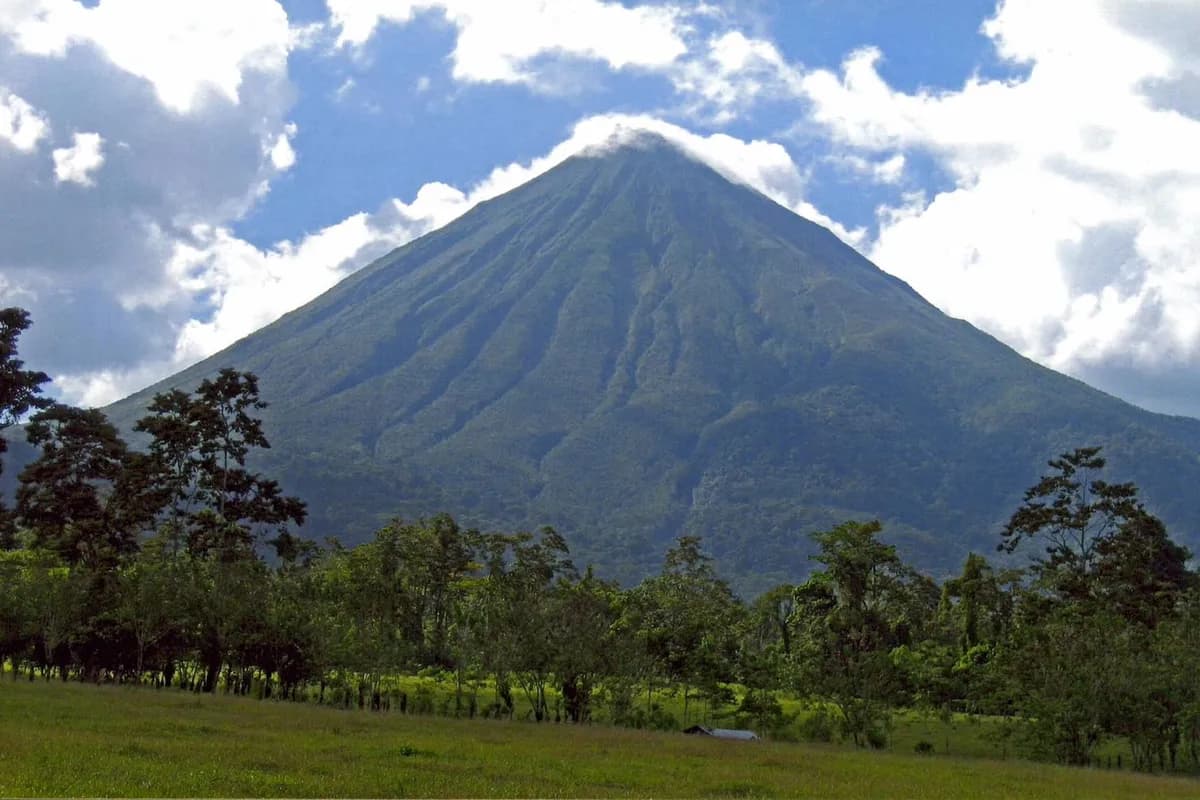
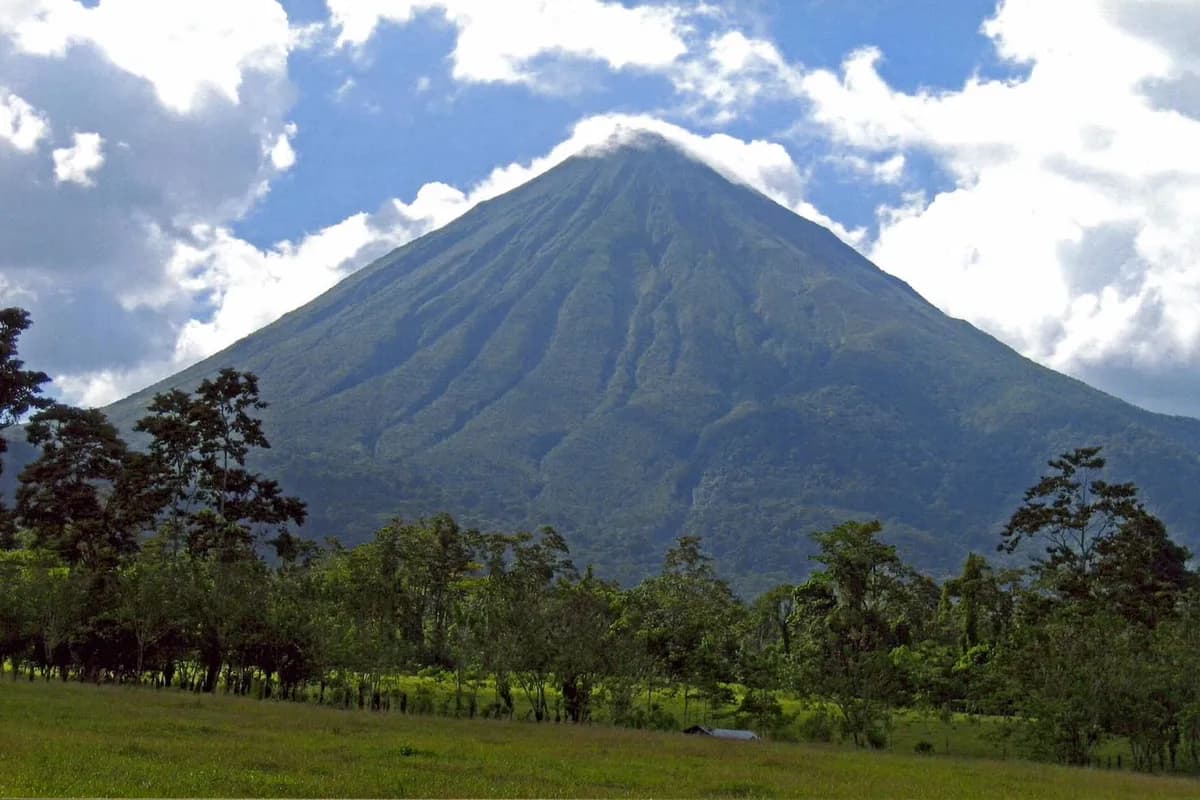
In Costa Rica, begin with the landscape or experience that gives the trip its purpose. The country starter distinguishes La Fortuna/Arenal, Monteverde and Quepos/Manuel Antonio as places to investigate. They are alternatives to compare, not a ready-made circuit with confirmed transfers.
Give the trip one clear anchor
Ask everyone to name the part they would most regret missing. Keep those answers separate from a general list of things that sound appealing. A forest-focused stay and a coastal stay might both matter to the group, or one might be an optional addition.
The Costa Rica Tourism Board organizes its destination material by regions and identifies forest, volcanic and coastal settings. Its climate information also distinguishes regional conditions. Those sources support choosing places deliberately; they do not establish the travel time between your chosen rooms. Where to go, regional climate.
Write a normal day at the proposed base, then a day when you do less. If neither has a clear purpose without a long excursion, reconsider the accommodation location before adding more nights there.
Compare a forest anchor with a coastal anchor
Monteverde appears in the tourism board's guide as a biological-reserve setting. Manuel Antonio's official tourism page describes tropical forest and beaches and directs visitors to SINAC's ticket system. A coastal base therefore need not mean giving up forest interests, but a park visit and a day around the wider coast remain different plans. Manuel Antonio visitor information.
| Draft anchor | Give the stay this job | Resolve before treating it as a plan |
|---|---|---|
| Monteverde | Time for a specifically chosen reserve or forest activity | Which reserve, entrance and route; room-to-entrance transport and the return |
| Quepos/Manuel Antonio | A chosen park day plus a separately planned coastal day | Park entry through the official system; actual beach access and current local conditions |
| Both | A separate stay for each purpose | The complete room move and which existing day it replaces |
These are planning briefs, not a confirmed connection between the places. Check the park operator's current arrangements rather than copying a directory's hours. If the coastal stay adds only another forest walk that does not interest you more than the first, its purpose may be weak; if time by the coast matters independently, the second stay has a clearer job.
Compare what each version asks of you
| Decision | One base | Two bases |
|---|---|---|
| Room arrangement | One check-in pattern to understand | Another departure and arrival to organize |
| Main luggage | Stays at the base during suitable outings | Needs a plan during the transfer |
| Variety | Comes from activities reachable from the base | Can come from staying in a different setting |
| Flexible day | Depends on what you can do locally | Needed at each base if flexibility matters |
| Uncertain connection | May affect an individual excursion | May affect arrival at the next room |
| What to confirm | Complete outward and return journeys | Complete move plus outings from each new address |
The table compares responsibilities, not prices or universal durations. A two-base plan can reduce repeated travel in one itinerary and create unnecessary movement in another. You need the actual addresses and intended activities to tell which applies.
Two ways to spend the transfer time
- Same room
- Outward trip
- Return trip
- Same room
- First room
- One room move
- Local outings
- Second room
Both branches lead to the same question: which arrangement protects the days you actually want? The lines do not imply that every proposed connection operates.
Make the transfer day visible
Put the following tasks in the draft before adding an attraction to a room-moving day:
- Leave the first room and settle the bag arrangement.
- Reach the confirmed pickup point or departure terminal.
- Make the complete journey, including any changes.
- Reach the second accommodation and establish check-in.
- Arrange the meal or ordinary outing you would want on arrival.
Then identify what is booked and what is merely an idea. If the transfer is delayed or changed, a flexible arrival walk is different from a prepaid activity with its own arrival requirement.
For each connection, ask the responsible provider about the route, luggage, pickup and arrival point, and the arrangement if operation changes. A room host can explain their arrival process but may not be able to confirm a separate carrier's service. Keep the two answers together.
Keep Monteverde and Manuel Antonio as different proposals
In a hypothetical one-base draft, friends choose a particular Monteverde reserve/forest activity and keep the room for repeat local days. A coast photograph alone does not establish a useful excursion from that address. They would need a separate connection and return, not just another map pin.
In the two-base draft, the group also wants time around Quepos/Manuel Antonio, including a specific park visit and a separate coastal day. The move earns its place only if that second experience matters and the room-to-room transfer is confirmed. A good forecast cannot fill in the transfer time or guarantee park admission.
For the park day, the tourism board directs visitors to SINAC's SICORE portal. The portal lists Manuel Antonio among its reservable parks and distinguishes admission from separately arranged guiding, transport or equipment. A park entry does not therefore settle the whole outing. Check the actual date/slot, current terms and intended route; no availability is asserted here.
Keep the chosen reserve and the coastal park in separate rows of the plan. Weather checks belong to their actual places; the national rainy-season label cannot supply one forecast for both. The regional weather example follows the Quepos/Manuel Antonio branch into a day decision.
A second base needs a job, not just another photograph
Ask what you would do differently because you slept there. Would you have time in that landscape that an excursion would not give you? Does the location support the pace you want? Are you adding another stay mainly because someone else's itinerary contains it?
The general base versus moving-trip comparison can help separate those motives. If the group wants different amounts of activity, agree on which days are shared and where people can choose separately. The accommodation count alone will not resolve that difference.
Check the actual park or reserve rather than assuming a regional description settles visitor access. Ask about the intended entrance and route, including any support needs. Weather-sensitive choices also need a genuine alternative; the rainy-season planning guide separates broad patterns from the decisions for your day.
Leave with a decision and a short list of checks
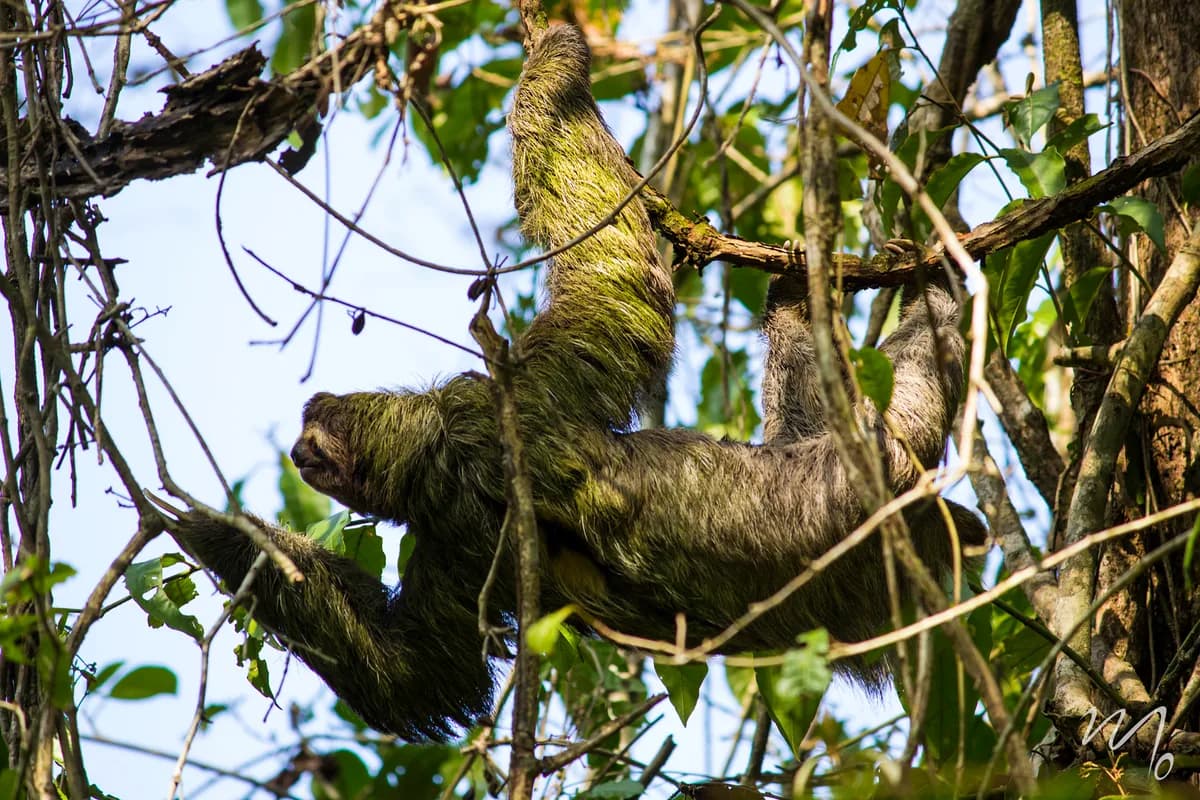
Your decision note should say why the first base works, what the second would add, which day the move replaces and which connections need confirmation. If wildlife is an important reason for a stay, use the responsible wildlife-watching guide to ask about conduct rather than guaranteed encounters.
Revisit the base count when a room address, activity or transfer changes. This researched comparison does not establish current road access, journey times, fares, room availability or weather. Keeping those unknowns visible is more useful than choosing a second base on the strength of an attractive but incomplete circuit.
What this guide is based on
This guide is researched editorial guidance. A source review does not confirm current local access, road conditions or your individual ability.
- Where to Go ↗Costa Rica Tourism Board · A30-14
Regional/place orientation and route-specific access caveat; no transfer distances/times, wildlife guarantees or tour availability.
- Climate ↗Costa Rica Tourism Board · A30-15
Regional climate distinctions and broad seasonal patterns, not a forecast. Broad green-season labels and technical regional descriptions differ; no single national calendar asserted.
- Manuel Antonio National Park ↗Costa Rica Tourism Board · A30-22
Forest/beach orientation and official SINAC ticket link only. Generic measurements ignored; directory hours disagree with the park-specific page, so no schedule is reproduced. Current entry and beach conditions require direct checking.
- SINAC SICORE: reservations and visitor FAQs ↗Sistema Nacional de Áreas de Conservación (SINAC) · G26-02
Public portal/FAQ lists Manuel Antonio and separates admission from additional services. No authenticated availability check, purchase, current park-opening confirmation or personalized refund decision.