Planning a Shoulder-Season Trip That Still Works
Check the experience, access, operating dates and alternatives behind an out-of-peak-season trip instead of assuming better weather or lower costs.

A shoulder-season trip works when the experience you want and the services it depends on still fit your dates. Do not choose a month only because it is described as quieter, cheaper or less hot. Establish what you would actually be able to do, how you would reach it and what would replace it.
Here, “shoulder season” means a period outside a destination's main peak but close to it. It is not a worldwide calendar. Different places, activities and suppliers may have different operating patterns, and a general season label cannot confirm an individual service.
Define the experience before comparing months
Write the main reason you are considering the trip. Is it a particular walk, a rail journey, a coastal base or a city with occasional outings? Then identify what must be available for that reason to survive a change in date.
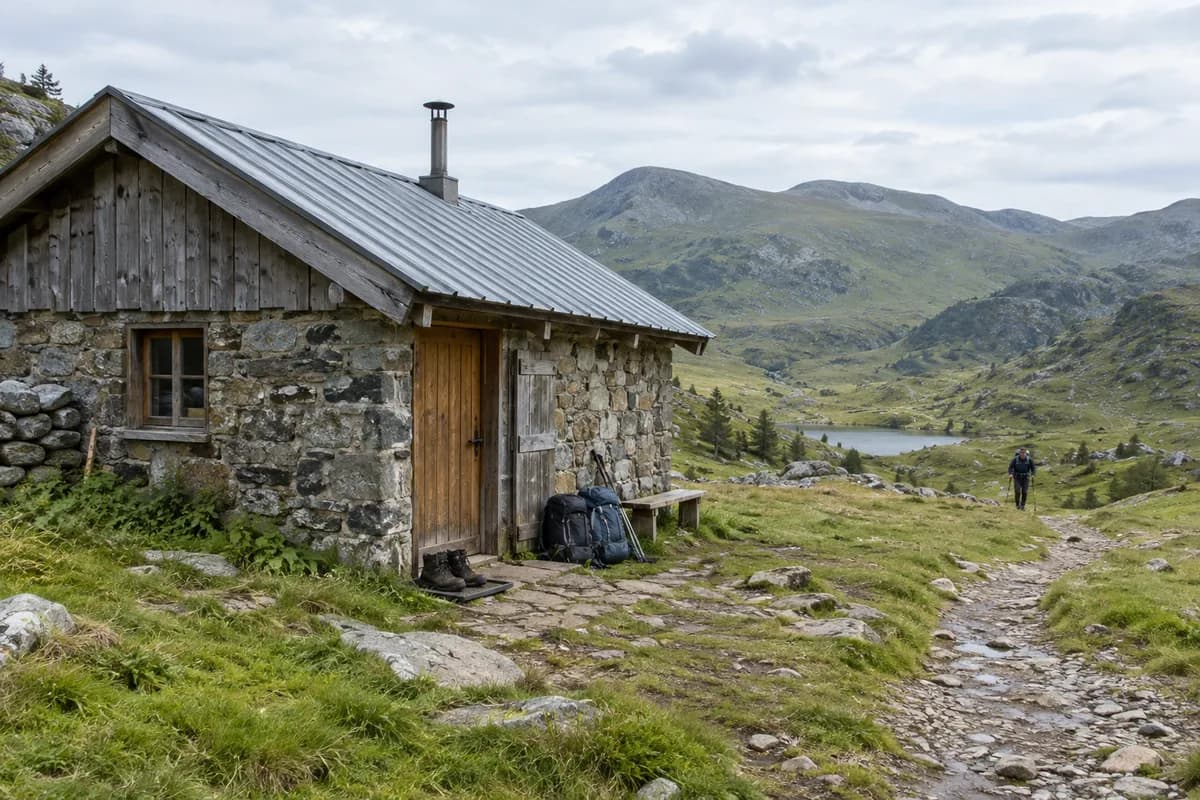
For a walk between huts, the overnight chain may be essential. For a city visit, one museum may matter while the rest of the day can remain flexible. For a landscape-focused stay, access to the area and an appropriate outing may matter more than a specific attraction.
Rank those dependencies as essential, adaptable or optional. This avoids a familiar problem: finding attractive accommodation first and discovering later that it does not support the activity you came for.
“The destination is open” is not enough
Yellowstone's seasonal overview describes changes in access and services across its visiting seasons. Its operating-dates page separately lists individual facilities and says schedules can change. These are park-specific examples, not a template for another country's shoulder season.
The practical distinction is useful elsewhere: a country, town or park can be visitable while a particular journey, visitor facility or overnight arrangement is unavailable. Record the individual service your plan needs, not only whether the larger destination welcomes visitors.
Read the current source for your intended date. Check whether a listed final day means the service is available throughout that day, whether a timetable is seasonal and whether a notice applies to the route you intend to use. If the meaning is unclear, ask the responsible provider.
Map the dependency rather than collecting vague reassurance
Check what the season must still provide
- Main experience
- Access
- Services
- Usable alternative
- Or change dates / place
This original diagram shows a planning relationship, not a forecast. The experience depends on access and services; an alternative must be a workable separate proposal rather than another unchecked name.
| Dependency | Useful confirmation | Question if it changes |
|---|---|---|
| Access to the selected place | Current authority information for that route or entrance | Is a different established place suitable? |
| Overnight arrangement | The actual accommodation's dates and facilities | Can a different base support the trip? |
| Transport | The relevant provider's current service for your date | What does the replacement journey involve? |
| Main activity | Its specific access, reservation and operating requirements | Does the reason for the trip remain? |
| Alternative | Its own established access and arrangements | Is it an alternative or another unconfirmed idea? |
Do not mark a row confirmed because several old travel reports repeat the same information. Keep the source and date alongside the answer.
Compare value across the whole version of the trip
A lower room rate, if actually quoted, is one input. Include the consequences of a different arrival connection, another base or extra transport before deciding that the version costs less. Compare arrangements for the same people and the same intended experience.
Consider a hypothetical case with no real destination or prices. Version A has a lower accommodation quote, but the activity requires a transfer that remains unresolved. Version B has a different room quote and a confirmed approach to a suitable outing. A comparison based only on the room would conceal the central difference.
There is no automatic winner. Obtain the missing information, then ask which version delivers the experience you value and which tradeoffs you accept. Free time, opening hours and inconvenient connections can matter even when they do not produce an extra invoice.
For overnight structure, use a base or a moving trip. If the plan involves connected huts, examine hut-to-hut obligations separately.
Give the alternative a place in the plan
An alternative can change the location, activity or timing. It should not depend on the same missing service that invalidates the first plan. Moving to another outing served by the same unconfirmed connection may leave the original problem intact.
Separate the decision to change the outing from the decision to change the trip. If your essential purpose no longer fits, replacing it with unrelated activities may not be the holiday you want. It is reasonable to choose different dates rather than keep filling the calendar.
For a mixed city-and-outdoor holiday, the synthetic city-and-nature week shows how to leave space for an activity to move. Its calendar is a planning example, not evidence that any venue or route will be available.
Make a date decision you can explain
Write: “These dates work because these essential arrangements are established. These elements are adaptable. If this dependency changes, we will choose this alternative or reconsider the dates.”
Put that explanation and the source questions in the trip worksheet. Recheck changing information before travel and before commitments that rely on it. The value of an out-of-peak-season trip comes from the version you can actually plan, not the label attached to the month.
What this guide is based on
This guide is researched editorial guidance. A source review does not confirm current local access, road conditions or your individual ability.
- Seasons ↗Yellowstone National Park, NPS · C30-09
Park-specific seasonal overview; no universal shoulder-season dates or forecast.
- Operating Dates ↗Yellowstone National Park, NPS · C30-10
Live facilities table can change; article cites the distinction between park access and individual services, not particular dates.