How to Plan a Road Trip Around Day Hikes
Build each day from its walk, road transfer, overnight and luggage plan, with space for unresolved details.
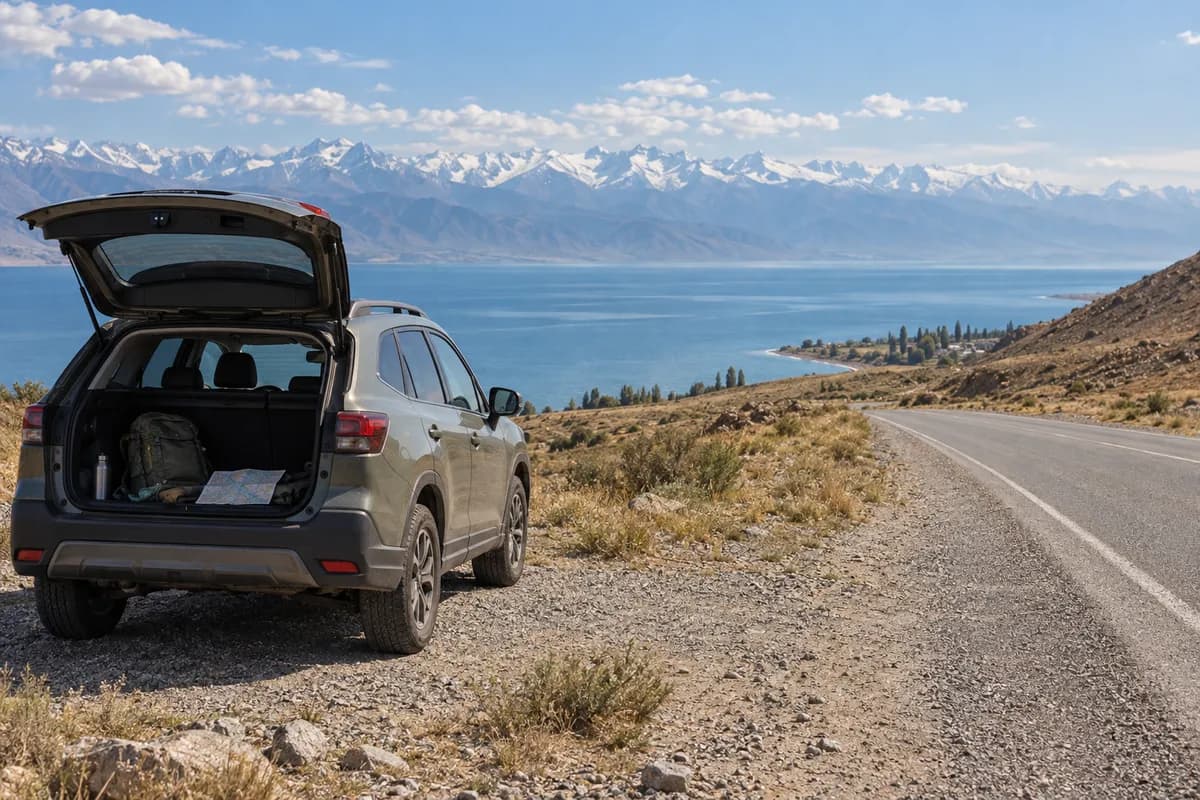
Choose the walking days before filling the gaps with driving. For each day, keep the road, walk and overnight arrangement separate. Then check whether they fit together with stops, preparation and a realistic arrival.
A map with several appealing pins is not yet a road trip. It hides the difference between reaching a place by car and completing a hike from that place.
1. Select the kind of walking holiday
Decide whether you want repeated day hikes from a room, changing bases or a walking journey. Record the longest walking stage you want to investigate, the type of terrain and how much flexibility matters.
These are preferences, not confirmation that a route meets them. Keep unknown routes off the “fits” list until their relevant demands are verified.
2. Make a passport for each day
Use the same fields consistently so that two attractive options become comparable.
| Field | Record | Common missing piece |
|---|---|---|
| Start and end | Actual accommodation or trailhead | A town name hides a long approach |
| Drive | Permitted route, distance, moving time | Stops and road conditions |
| Walk | Full distance, moving duration, ascent | One-way figure mistaken for total |
| Stay | Named area and required comfort | Room availability and check-in |
| Luggage | Who holds it and where | Storage during the walk |
| Dependencies | Access, transfers and opening dates | A map line mistaken for permission |
| Alternative | A workable different day | What is deliberately skipped |
The NPS preparation resources support planning before departure. This passport is our own structure for connecting that preparation with vehicle and room logistics.
3. Protect the day around the walk
Moving time is time spent driving or walking. Elapsed time also includes breaks, meals, photographs, loading, parking and waiting. Do not label a sum of movement estimates as the entire day.
If one duration is unknown, the total remains unknown. Resolve the missing estimate or remove a commitment that depends on it. A fixed dinner or flight time is a poor anchor for an unverified mountain transfer.
4. Group hikes that share a practical base
Check whether nearby hikes actually use the same road access. Two trailheads can look close across a ridge yet require different transfers. A published transport directory can identify options to investigate, but it does not settle current door-to-door duration.
An original planning exercise: place one demanding walk between two base nights. Compare that with the same walk between moving days. The walking measurements are unchanged; the packing, driving and arrival commitments are not.
5. Write the fallback before departure
A fallback should identify where you will be, where you sleep and how transport changes. “Do something easier” leaves the day unresolved. Confirm which reservations can change and what would be skipped.
Keep the final return distinct from the departure connection. Ask for current transfer information before deciding the buffer, rather than inventing a universal number.
Use the worksheet to preserve your choices. The Kyrgyzstan example applies the passport while keeping unverified measurements visible.
What this guide is based on
This guide is researched editorial guidance. A source review does not confirm current local access, road conditions or your individual ability.
- Transportation to Karakol ↗Destination Karakol · S09
Transport options, not current timetable, fare, road condition or door-to-door duration.
- Staying Safe: Trails & Hiking ↗U.S. National Park Service · S16
General preparation resources; not a guarantee that a particular hike is suitable.