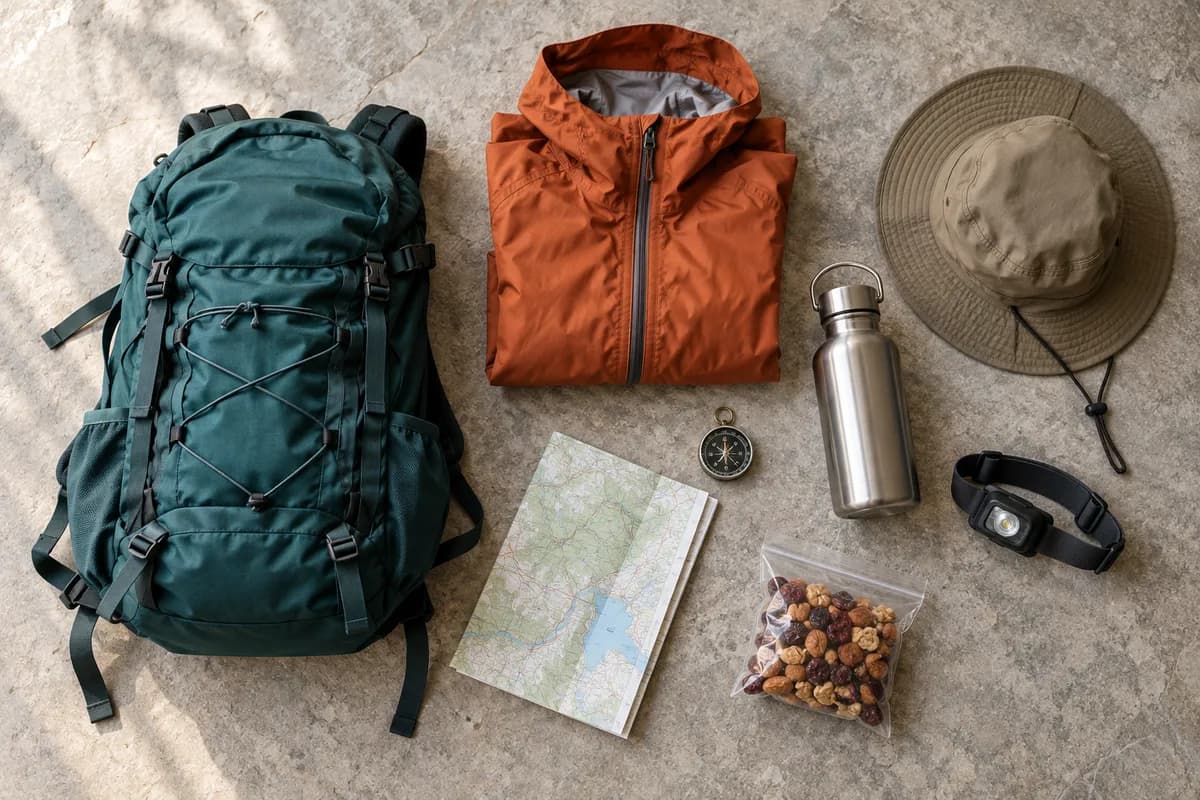
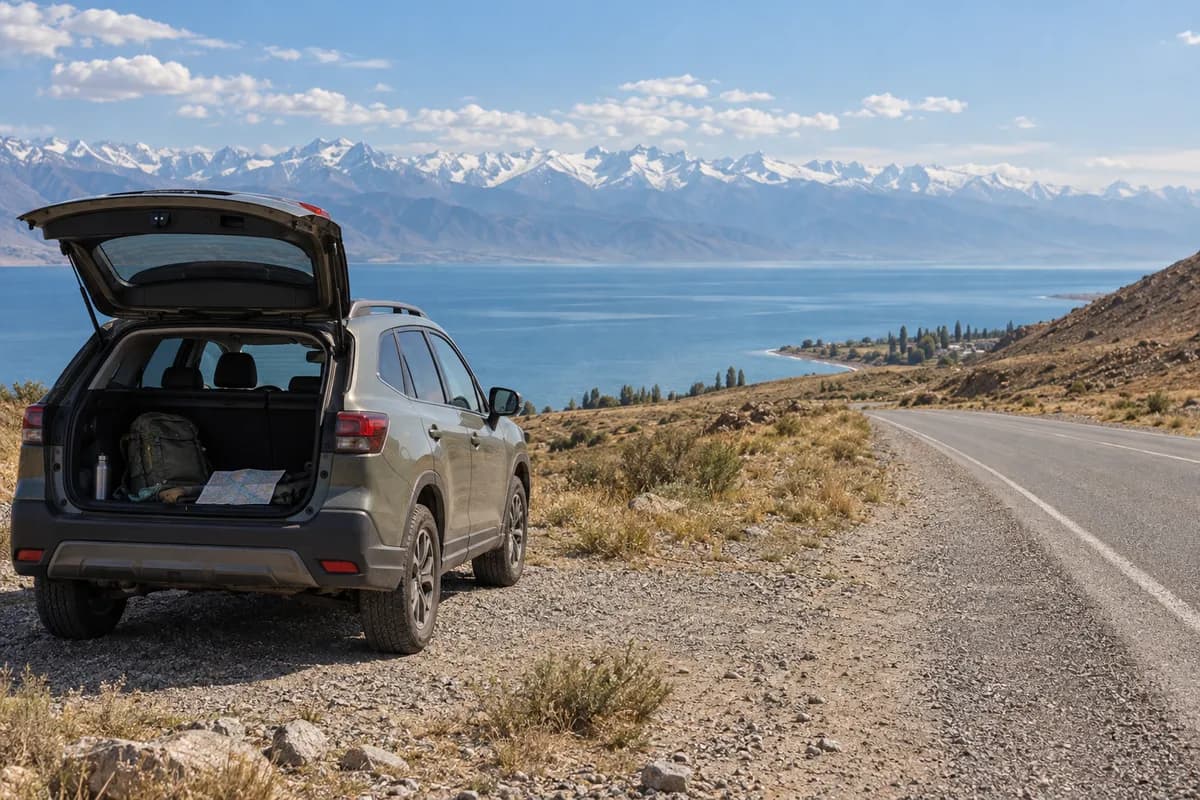
Hiking vs Trekking vs Backpacking
Compare walking days, overnight travel and carried equipment without relying on loose trip labels.
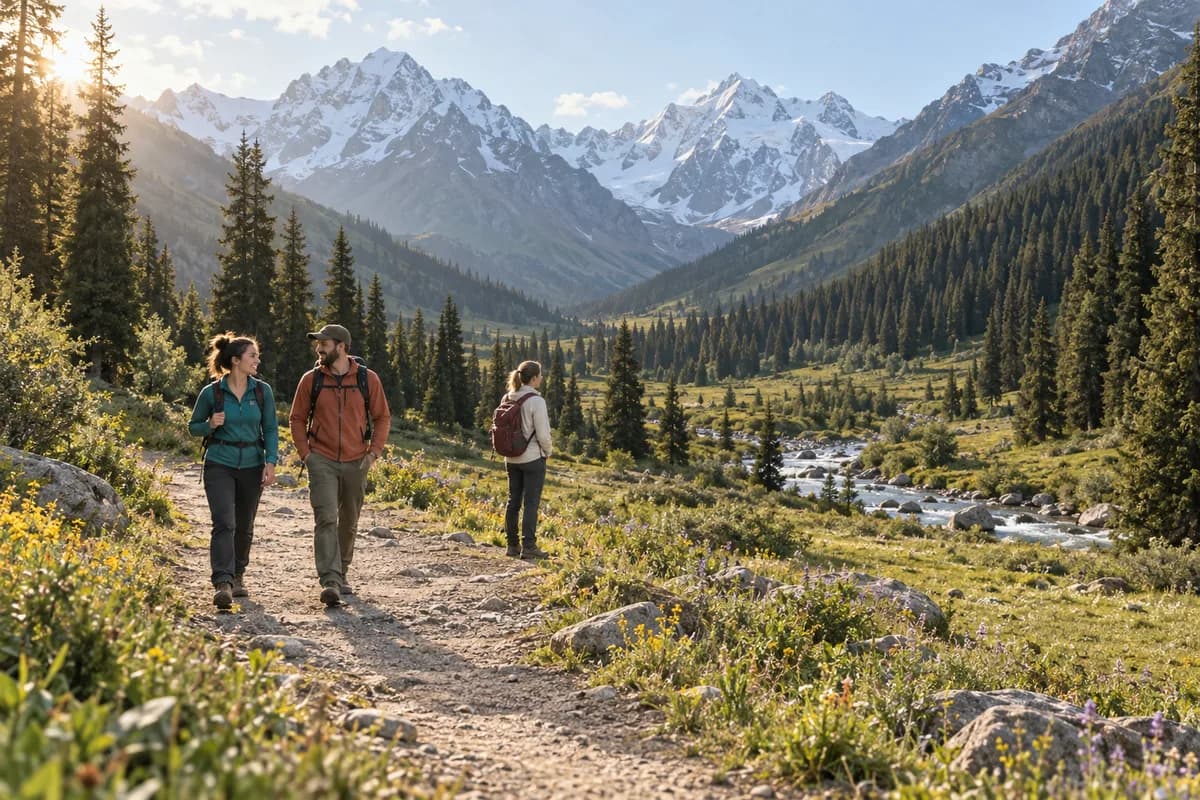
Hiking describes walking outdoors; trekking commonly describes a journey made over several walking stages; backpacking often means carrying overnight equipment on that journey. These labels overlap. They are not a universal scale from easy to hard, and an operator's use of a word may differ from yours.
For a booking or personal plan, replace the label with three facts: how many days you walk, where you sleep and what you carry. A strenuous day hike can demand more walking than one stage of a supported trek.
Compare the actual arrangement
This table is our working vocabulary for reading trip descriptions, not a legal classification.
| Format | Overnight arrangement | What you might carry | Main planning question |
|---|---|---|---|
| Day hiking | Return to a room or campsite | Equipment for the walking day | Can I complete the full route and return? |
| Lodge or hut trek | Sleep at successive buildings | Day gear plus overnight personal items, unless transferred | Are beds, food and onward access arranged? |
| Supported camping trek | Sleep in tents with some support | Depends on baggage support | Who sets camp and moves equipment? |
| Self-supported backpacking | Carry overnight equipment | Shelter, sleeping and cooking systems as required | Can the full load and route be managed together? |
“Hut” does not establish comfort. A bed, heating, a private bathroom and a meal are separate details. “Supported” does not establish that all luggage moves for you.
A trip can include more than one format
Imagine a holiday with three nights in one town, two day hikes and a two-night walking journey. The first part is a base stay with hiking; the later part adds overnight logistics. Your main suitcase may need storage while a smaller pack goes on the trail.
That shift is more useful than debating whether the entire holiday is called hiking or trekking. It changes the equipment list, the return plan and which reservations depend on the next day's walk.
The NPS backcountry camping guide treats sleeping away from developed facilities as a planning task with equipment and location-specific rules. It does not mean that every multiday walk requires a tent.
Ask for a sample day
Before choosing a trip, ask for a day written in plain terms:
- Where does the walk begin and end?
- What are the full distance, ascent and expected moving duration?
- Where will we sleep, and what facilities are actually provided?
- What is carried on the trail, and who moves the remaining luggage?
- What changes if the walking stage cannot be completed?
A vague “moderate trek with luggage support” does not answer those questions. A one-way walking day also needs a plan for the car or pickup, even when it is described as a day hike.
Choose the format, then choose the bag
If your priority is returning to the same room each evening, start with day hikes or a base stay. If walking continuously between places matters more, compare overnight arrangements and baggage support before choosing a pack.
Do not buy a large backpack just because a title says “trekking.” Equally, do not assume a daypack is enough when a route includes an unarranged night away.
Continue with daypack vs backpack for the carried-load decision, or hiking without camping for sleeping options.
What this guide is based on
This guide is researched editorial guidance. A source review does not confirm current local access, road conditions or your individual ability.
- Types of Trails ↗U.S. National Park Service · S14
Trail-use categories vary by place; route-shape diagrams here are original conceptual geometry.
- Wilderness & Backcountry Camping ↗U.S. National Park Service · S15
General planning principles; camping rules and permits are location-specific.