Can You Go Hiking Without Camping?
Compare room-based day hikes, changing bases and building-to-building walks without assuming tent nights.
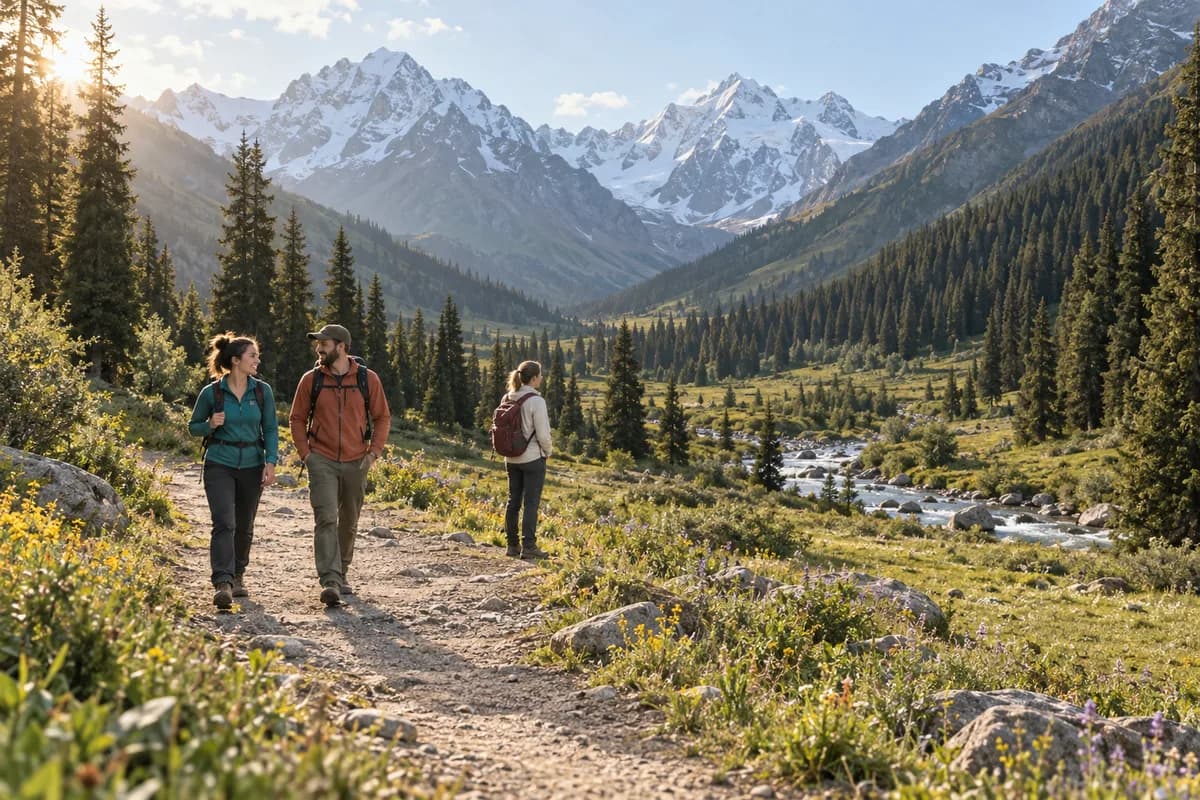
Yes. You can return to a room after day hikes, move between bases by road, or walk between arranged buildings. Hiking describes the walking activity; it does not require sleeping in a tent.
The important limit is the route. A distant objective may not fit a day return, and an advertised hut may not exist on the route you want. Choose the overnight arrangement first, then check which walks actually work from it.
Three ways to keep a bed in the plan
| Format | Where you sleep | What stays simple | What still needs arranging |
|---|---|---|---|
| One hiking base | Same room | Unpacking and luggage | Daily trailhead access and return |
| Road trip with day hikes | Rooms in several places | No carried tent system | Driving, reservations and moving bags |
| Building-to-building walking | Different huts or lodges | Some overnight shelter provided | Beds, facilities, food and continuous stages |
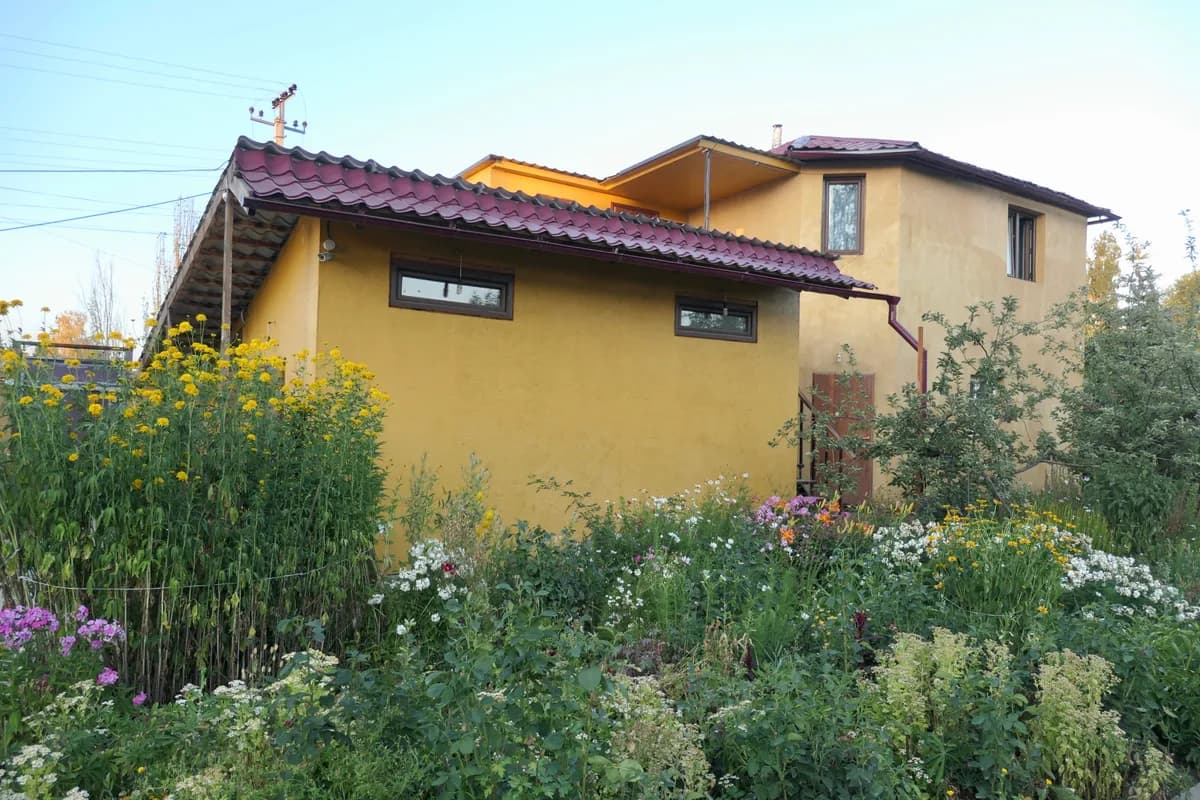
A building is not automatically a hotel. Ask about shared rooms, bathrooms, bedding, heating and meals. A yurt camp also needs specific answers; its name does not establish the comfort or operating dates.
Start from the return, not the viewpoint
For a day hike, check the full walking route and how you get back to the room. If a source describes only the outward walk, you still need the return distance and duration. Point-to-point walks need finish transport.
Do not shorten a multiday route into one day just because you prefer a room. Choose a different objective or an arranged overnight format. In Karakol, the local accommodation directory helps identify categories to investigate, but it does not verify an available room or a particular trail's day-hike suitability.
A room removes some equipment, not all preparation
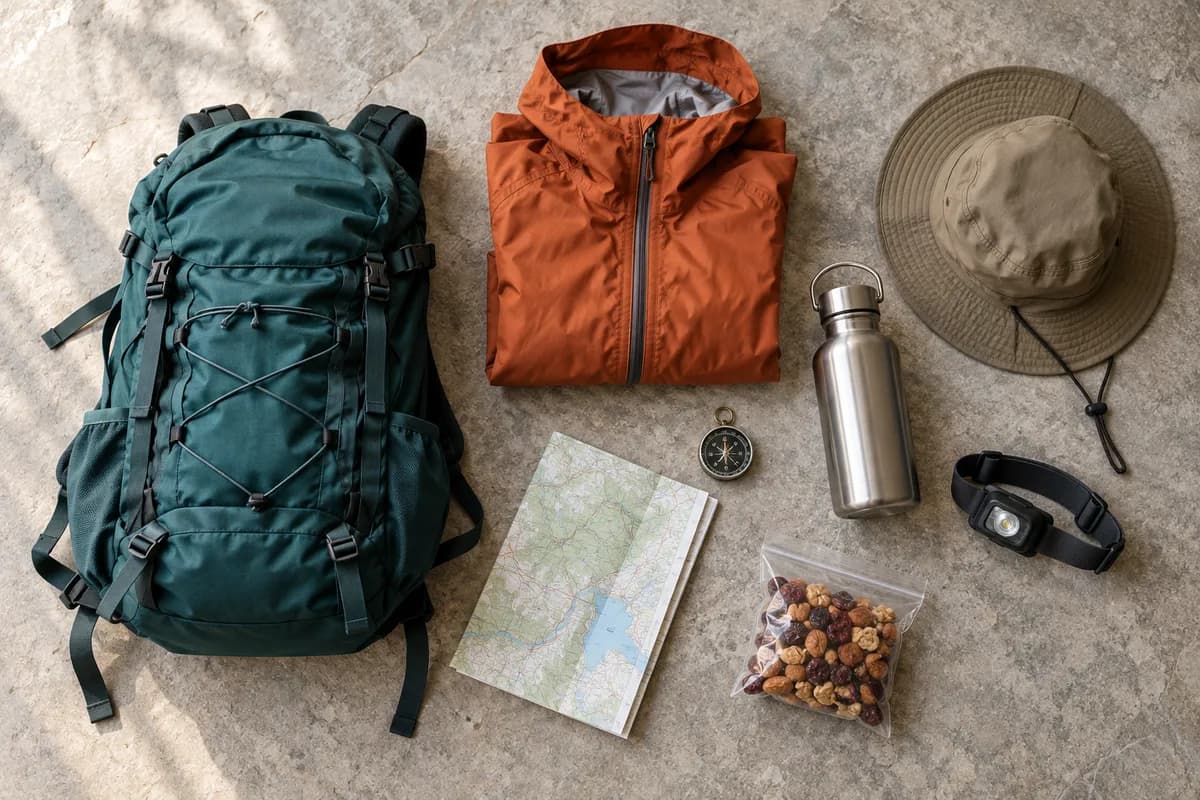
Leaving tent and sleeping equipment behind can reduce the carried load. Day-hike preparation still includes weather protection, navigation and equipment appropriate to delay. The overnight room is not immediately accessible from every point on a trail.
The NPS camping overview distinguishes the additional planning of backcountry sleeping. That distinction helps explain what a non-camping format avoids; it does not make room-based hiking free of route decisions.
Build a realistic week
Here is an original planning sequence: arrive at a base, confirm one complete return hike, keep another day flexible, then decide whether a second base adds a genuinely different walk. This is a decision order, not a destination timetable.
For each walking day, write the finish transport and overnight check-in in separate rows. Confirm luggage storage if you arrive before the room is ready. Retain a local alternative when a mountain day cannot go ahead.
Decide what you would miss
A room-based holiday may omit a remote lake, pass or continuous trail requiring overnight travel. State that tradeoff openly. You can still have a walking-focused holiday without including every famous objective.
If repeated transfers become burdensome, compare one hiking base or a road trip. If comfort and repeatable day access are your priority in Kyrgyzstan, choosing a Karakol base turns those requirements into questions for a host.
What this guide is based on
This guide is researched editorial guidance. A source review does not confirm current local access, road conditions or your individual ability.
- Where to Stay in Karakol ↗Destination Karakol · S08
Accommodation categories, not endorsement or confirmation of room availability, comfort or operating dates.
- Wilderness & Backcountry Camping ↗U.S. National Park Service · S15
General planning principles; camping rules and permits are location-specific.