Skazka Canyon: A Colorful Stop on Issyk-Kul’s South Shore
Fit Skazka Canyon into an Issyk-Kul south-shore day: enjoy its clay and sandstone shapes, choose how far to explore and keep the onward journey realistic.
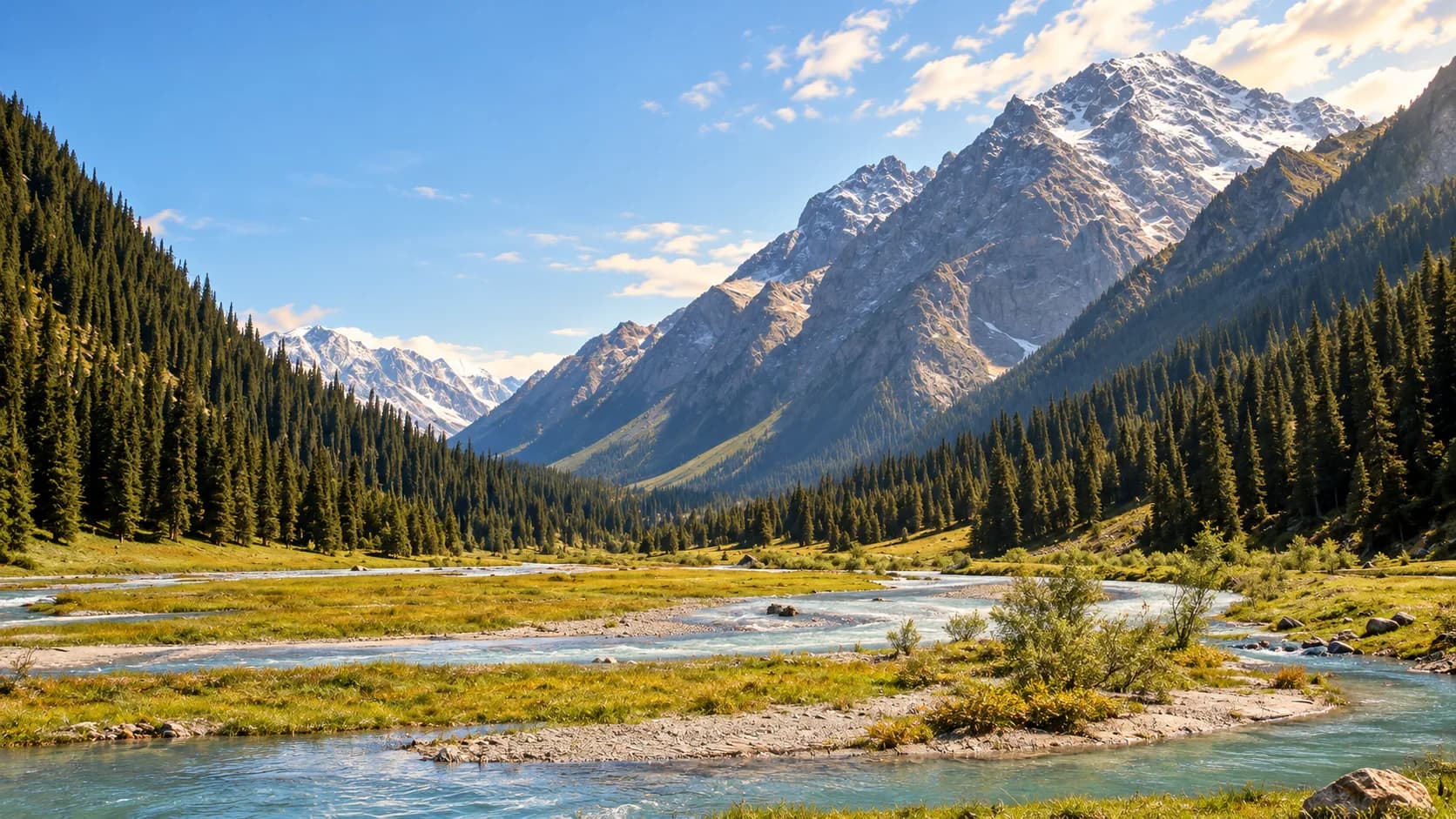
Skazka Canyon changes the scale of an Issyk-Kul day. The lake gives you a broad horizon; here, the interest is closer: ridges, folds and weathered shapes in colored clay and sandstone. Make room to walk among the permitted areas and look at those details, rather than treating the canyon as a quick photo through a car window.
The name is often rendered as Fairy Tale Canyon. You can enjoy the shapes without trying to match every one to an animal or castle. The Kyrgyz Ministry of Natural Resources describes the formations as fragile clay and sandstone shaped by wind and rain. That softness is part of the appearance and a good reason to keep off the formations themselves.
Place the stop within the south-shore journey
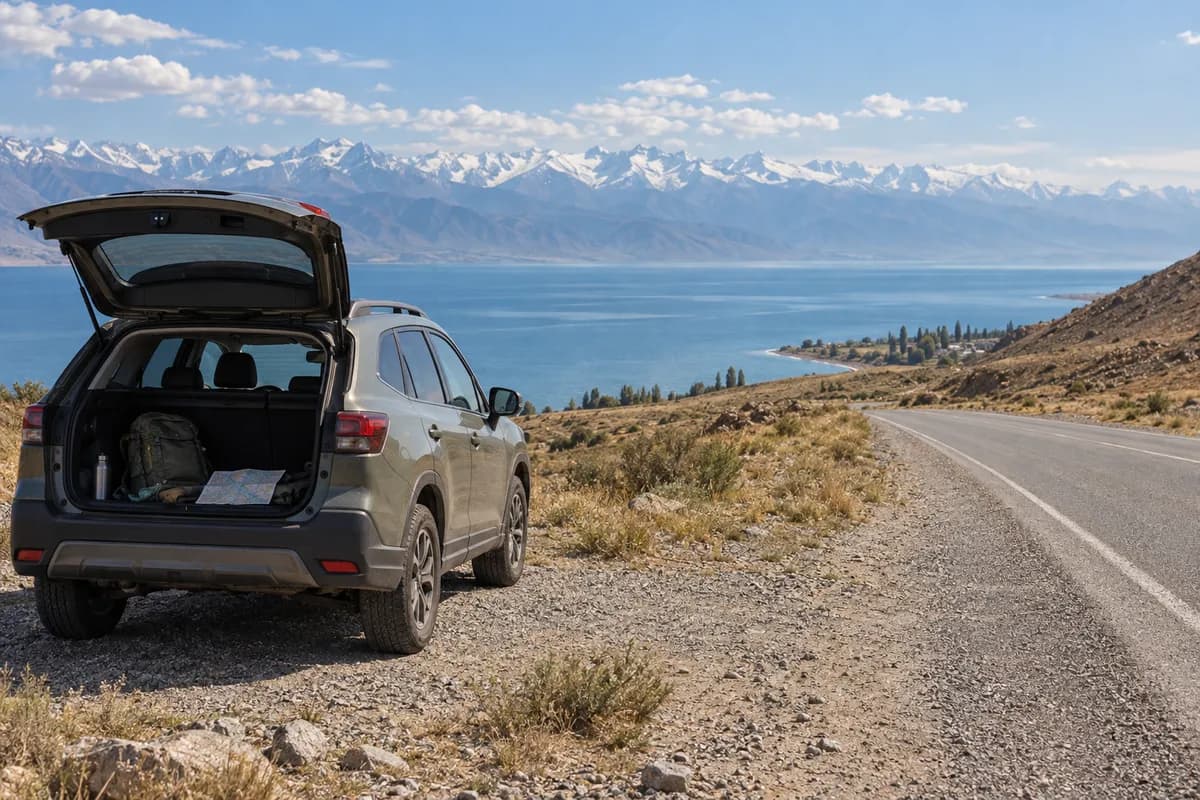
Skazka belongs in a day along Issyk-Kul's southern shore. As a real example of that connection, CBT Kyrgyzstan includes the canyon on an itinerary continuing from Jeti-Oguz toward Bokonbaevo. That itinerary establishes the geographic sequence; it is not a travel-time estimate for your car or a timetable you need to copy.
Work out the road day in three parts:
| Part | What belongs here | What can be changed |
|---|---|---|
| Before Skazka | Your actual starting accommodation, road journey and canyon approach | Leave earlier or reduce earlier stops |
| At the canyon | Entry arrangements, a permitted walking area and time for photographs | Choose a shorter visit if footing or weather is poor |
| After Skazka | Return to the south-shore road and travel to the overnight stop | Remove optional detours; keep the agreed arrival practical |
A canyon visit should not silently absorb the meal break or the driving time to your next bed. If you also want Jeti-Oguz, decide which place deserves the longer stay. The Jeti-Oguz guide separates its red-rock stop from a deeper valley day, which makes that choice easier.
Choose an extent, not a summit
At arrival, identify the current visitor entrance, allowed walking area and route back to your vehicle. Pick a short initial walk on established paths. Pause where the layers and shapes are visible from firm ground, then decide whether to continue within the permitted area.
For a photography-focused visit, choose a few views that show different things: the line of a ridge, the texture of a wall, or several formations together. Walking farther is useful only if it gives you a view you actually want. You do not need to climb a fragile crest to make the stop worthwhile.
For a group with different walking preferences, use the same return point and agree where the shorter walkers will wait. Keep everyone within a clearly understood area rather than splitting into gullies with an assumed shortcut back. A canyon seen from above can look simpler than it feels between its ridges.
There is no single measured loop prescribed here. If you want a longer hike, obtain a route with named endpoints, distance and terrain information before treating it as part of your road day. Our guide to reading trail descriptions explains which details help distinguish a scenic stop from a longer walk.
Keep the stop flexible when the ground changes
After rain, ask about the approach and current footing before entering. Wind and rain shape the soft material; a dry-weather photograph says little about how a sloping path will feel that afternoon. Follow local signs and avoid creating a new line across clay ridges when a route is unsuitable.
The sources linked here do not provide a dated admission schedule or confirm today's approach-road condition. Resolve those two details with the entrance operator or your local transport provider before setting out, especially if a missed stop would change where you sleep.
Add Skazka to your south-shore itinerary as one deliberate pause. Keep the canyon time separate from the two road legs, and you can shorten the walk without losing control of the rest of the day.
What this guide is based on
This guide is researched editorial guidance. A source review does not confirm current local access, road conditions or your individual ability.
- Geology and natural heritage of Kyrgyzstan ↗Ministry of Natural Resources, Kyrgyz Republic · SC20-CK-13
Descriptive ministry feature does not establish current entry or route. Source calls Jeti-Oguz conglomerate while tourism pages say sandstone; L17 avoids adopting either lithology.
- Explore the Hidden Treasures of Kyrgyzstan ↗CBT Kyrgyzstan · SC20-CK-14
Used as one route example only; no general driving time, confirmed booking, admission or measured canyon loop.