Planning a Hiking Holiday for Different Fitness Levels
Plan a shared core, genuine shorter branches and workable reunions without rating people's health.
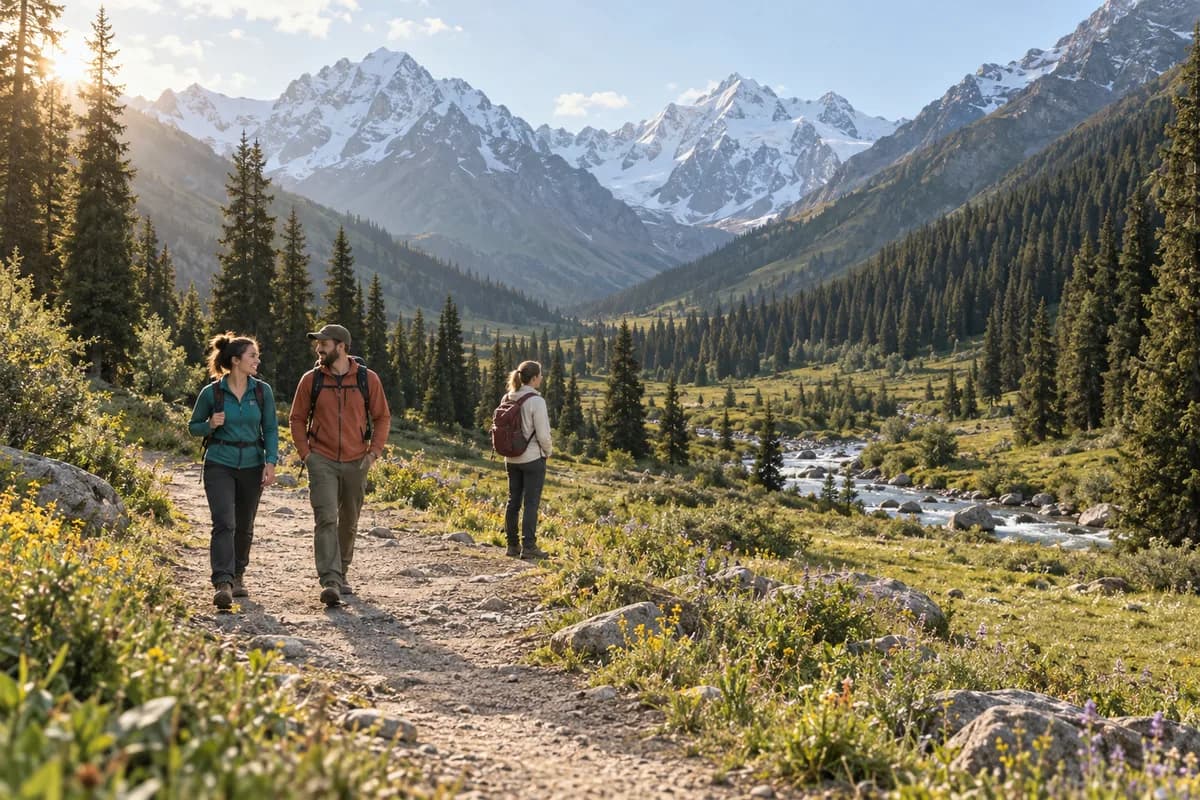
Plan around a shared walking day and explicit alternatives, rather than expecting everyone to match one pace. Different fitness levels are only part of the picture. Terrain preferences, confidence, interests, carried equipment and willingness to spend a long day outside also differ.
This guide helps a group discuss its plan. It does not assess health, diagnose ability or certify a route for a person.
Start with descriptions people understand
Ask each person for a recent walk they can describe: full distance, climbing, terrain and how the day felt. Then discuss what they want from this holiday. Someone may be capable of a longer route but prefer a slower day with photography.
Avoid a public ranking of strongest to weakest. It can hide the real preferences and discourage someone from raising a concern.
A difficulty label alone is incomplete; the NPS Shenandoah guide is a useful reminder to compare underlying distance and elevation.
Agree on a shared core
| Decision | A complete agreement | An incomplete agreement |
|---|---|---|
| Walking stage | Exact start, finish and route | “A moderate hike” |
| Pace | How the group stays together and pauses | “Everyone will keep up” |
| Short branch | Verified route and responsible return arrangement | “Turn back whenever” |
| Reunion | Place, transport and missed-meeting procedure | “Meet later somewhere” |
| Overnight | Same or separate room arrangements confirmed | “We'll find something” |
The shared core should be acceptable to everyone participating. An additional branch is optional only if declining it still leaves a complete day.
Design a split before relying on it
Suppose some travelers want the valley walk and others want a local town day. That can be a useful original branch design: the same room and luggage arrangement can remain, while transport and walking change.
But one driver cannot automatically provide two simultaneous services. Check pickup timing, vehicle access and who accompanies each group. In a group tour, ask the operator whether splitting is actually allowed and supported.
A mid-trail separation raises different questions from separate departures from town. Do not confuse the two. A shortcut or waiting place must be verified, not invented to make the plan appear inclusive.
Make decisions revisable
Agree how you will respond if the day feels different from expected or conditions change. A turnaround should be possible without treating it as someone's failure. Keep the room and transport consequence visible.
This is also why the first walking day should help you understand the actual group rhythm before committing to a more demanding stage. The choice remains a planning judgment, not a numerical fitness score.
Write one passport for each branch
Use the same road, walk, stay and luggage fields. Missing measurements remain unknown. Do not call the shorter branch a fit simply because it contains fewer words in the itinerary.
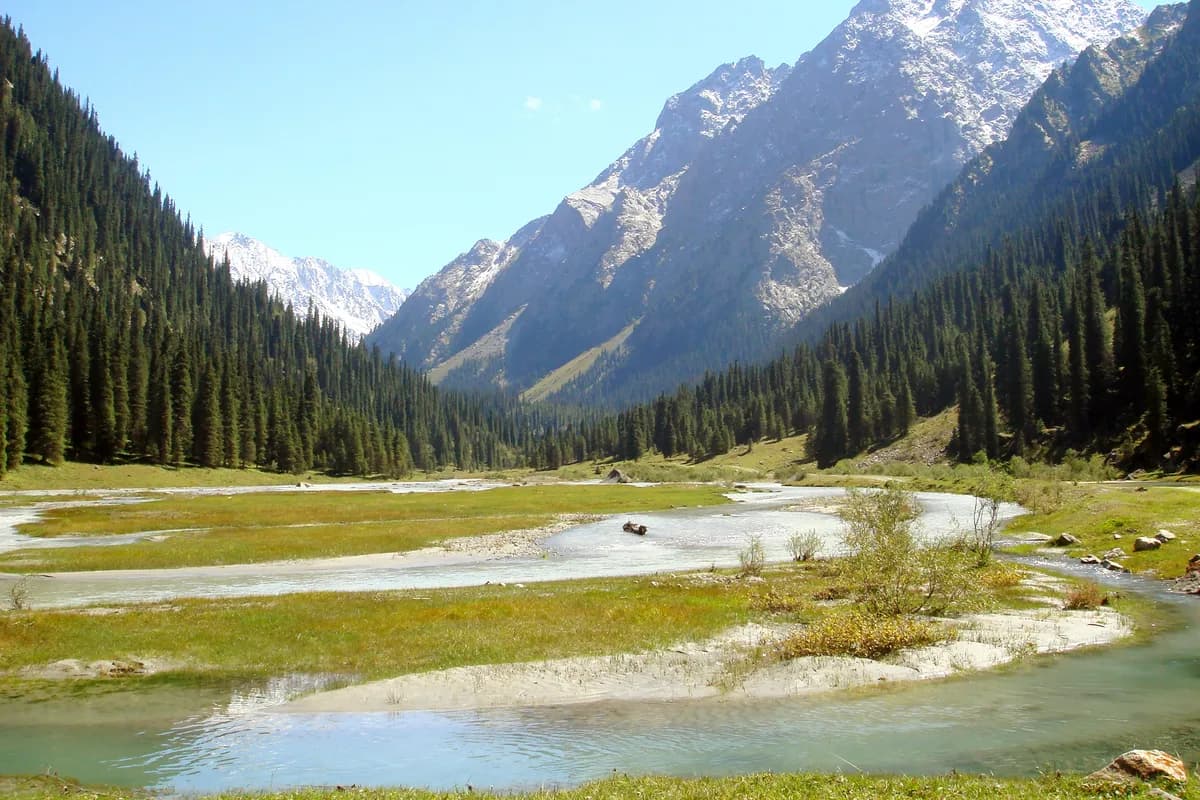
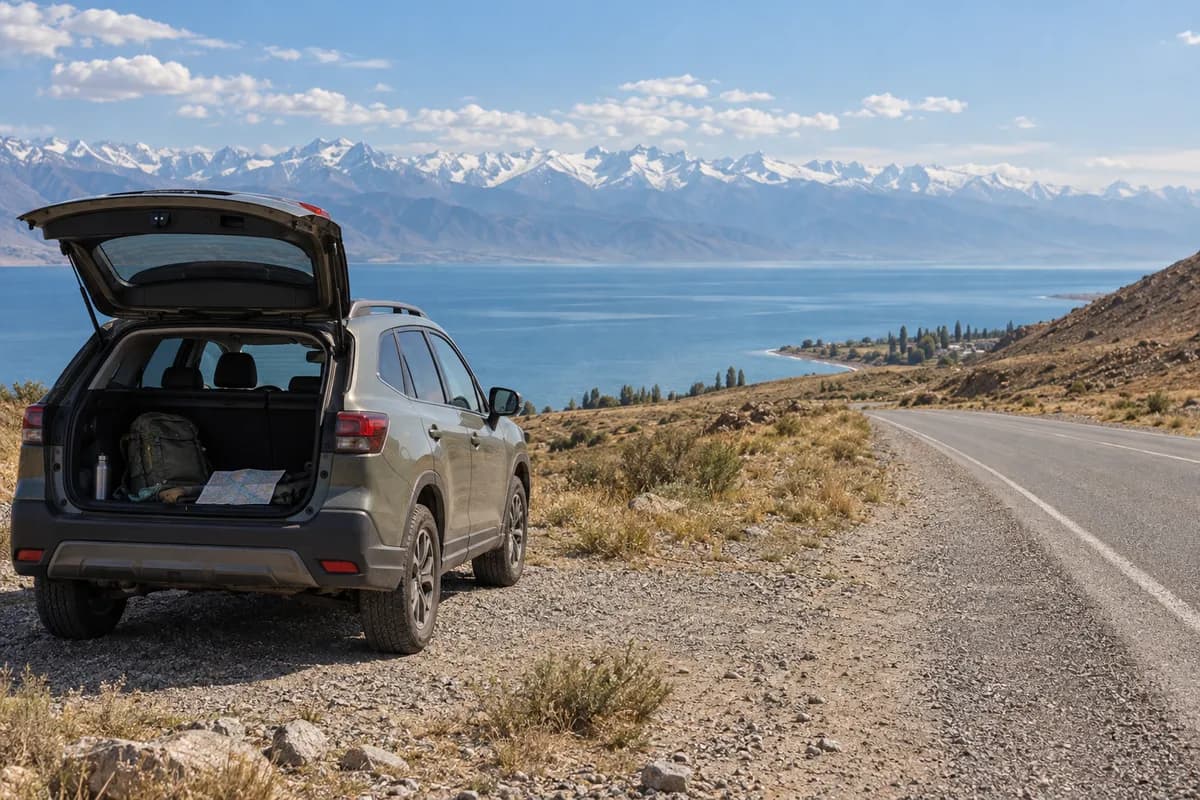
The Kyrgyzstan example includes a valley branch and a local branch with comparable passports. Use trip formats to decide who will handle the extra transport and coordination.
What this guide is based on
This guide is researched editorial guidance. A source review does not confirm current local access, road conditions or your individual ability.
- How to Determine Hiking Difficulty ↗Shenandoah National Park, NPS · S02
Park-specific rating system; its labels and formula are not a global difficulty standard.
- Staying Safe: Trails & Hiking ↗U.S. National Park Service · S16
General preparation resources; not a guarantee that a particular hike is suitable.