Kel-Suu: Is a Camp-Based Lake Visit Right for Your Trip?
Decide whether Kel-Suu’s cliff-lined lake justifies a Kok-Kiya camp stay, a separate lake approach and advance border-permit arrangements.
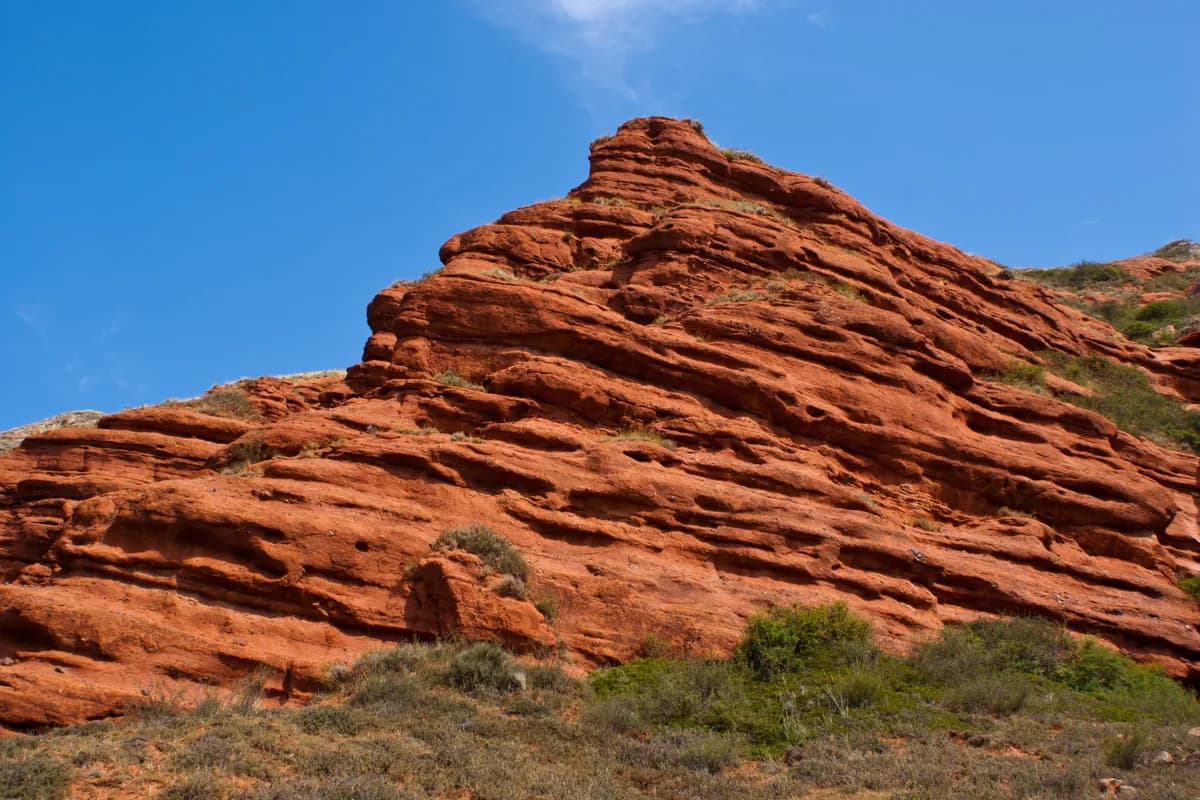
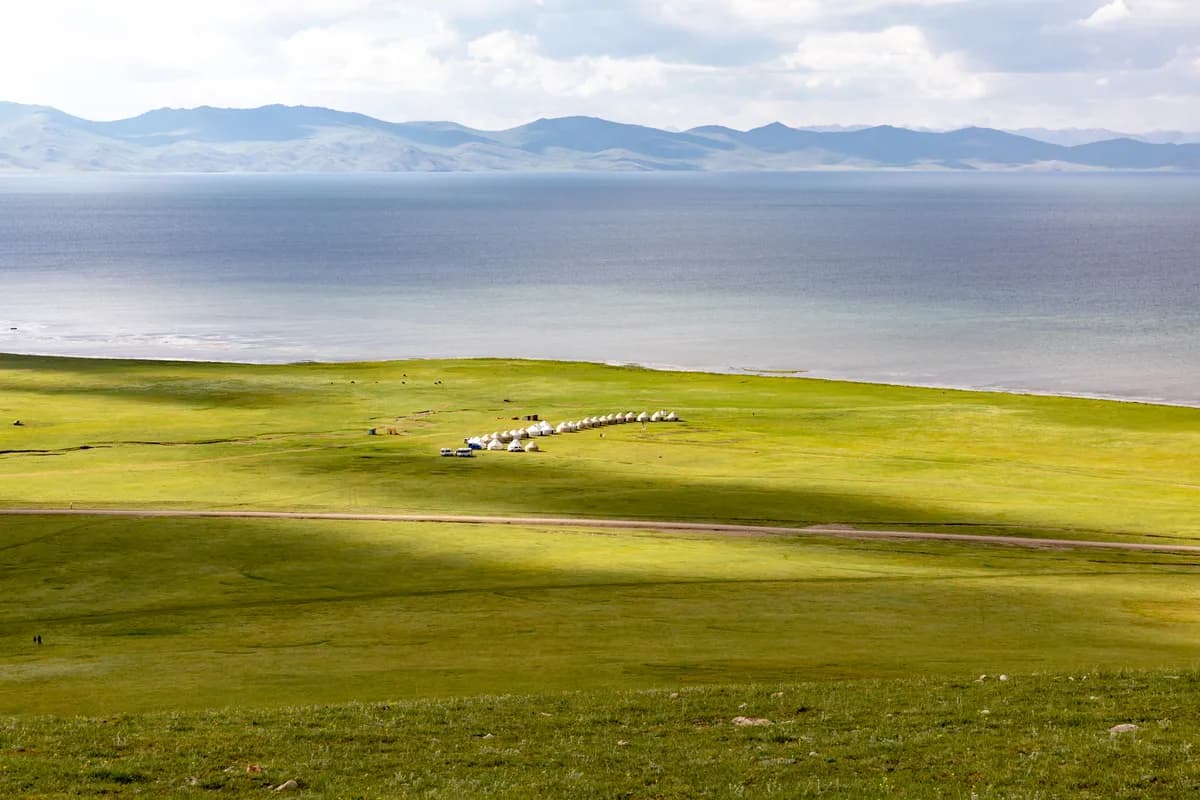
Kel-Suu is a lake to give its own part of the trip. Rock walls enclose a narrow corridor of water, while the approach ends first at a camp in the Kok-Kiya valley. Choose it if time in that remote landscape matters enough to organize a camp stay and another journey to the shore.
For a less complicated lake day, Sary-Chelek from Arkyt offers a different forest-and-water setting. Kel-Suu’s appeal is the close rock enclosure, with a border-zone journey that needs more preparation.
The camp is a staging point
CBT Naryn’s Twin Lakes product separates arrival at a Kok-Kiya yurt camp from the following day’s Kel-Suu visit. It describes walking from camp to the lake in about two hours one way, or riding in about 1.5 hours one way, then returning along the trail to camp before the drive toward Naryn.
On that walking estimate, allow about four hours of walking alone for the return outing. The shore pause, meals and subsequent drive add to it. A transfer to a yurt camp is therefore a different service from transport to the water’s edge.
The published product establishes a camp–lake–camp model, but leaves the camp unnamed. Choose the actual camp with the organizer before accepting its walking estimate. Camp position and the open approach matter more than a generic “Kel-Suu transfer” label.
Walk or ride for the outing you want
Walking gives the valley approach a larger part of the day. Riding changes the effort and time, but still requires a horse, a handler arrangement and the return to camp. Neither option removes the need to assess the last section’s current crossings.
Use CBT Naryn’s own contact, info@cbt-naryn.com or +996 559 567 685, for a camp-based proposal with transport back to Naryn. Ask for the named camp and start/finish points, the currently usable lake approach, and what happens if a crossing prevents the visit. Those are the unresolved parts that determine whether this published model will work on your date.
Arrange the permit before the camp
The local operator explicitly requires a separately purchased border permit in advance. The CBT network’s permit service asks travelers to contact it two weeks ahead to start the process. This is its service lead time, not a guaranteed government processing period or confirmation of eligibility for every passport.
Have the organizer confirm the applicable area, dates and requirements for your travelers before paying for the remote camp and drive. Keep permit arrangements and accommodation confirmation together.
Choose it for the landscape, with water conditions in view
CBT Karakol’s lake description notes that Kel-Suu’s water can periodically drain away. Ask the Naryn organizer for a recent report of the lake and the approach when your booking depends on water or a boat outing. A boat should remain optional until its operation is confirmed.
The decision is concrete: choose the camp-based visit for the cliff-and-valley experience, with enough time for both the approach and return. Keep it out of a fixed road itinerary until the permit and current last section are settled. That preserves the purpose of the visit without turning an uncertain shore approach into an appointment you must meet.
What this guide is based on
This guide is researched editorial guidance. A source review does not confirm current local access, road conditions or your individual ability.
- 3-Day Twin Lakes Adventure ↗CBT Naryn · E32-S01
Primary offered product; Kok-Kiya camp unnamed, no current crossing/road/water or departure confirmation
- Border permits ↗CBT Kyrgyzstan · E32-S02
Intermediary service, not primary regulation or guaranteed processing time
- Trip to Kel Suu Lake ↗CBT Karakol · E32-S03
Primary operator description; no live water report, hydrological mechanism not independently verified