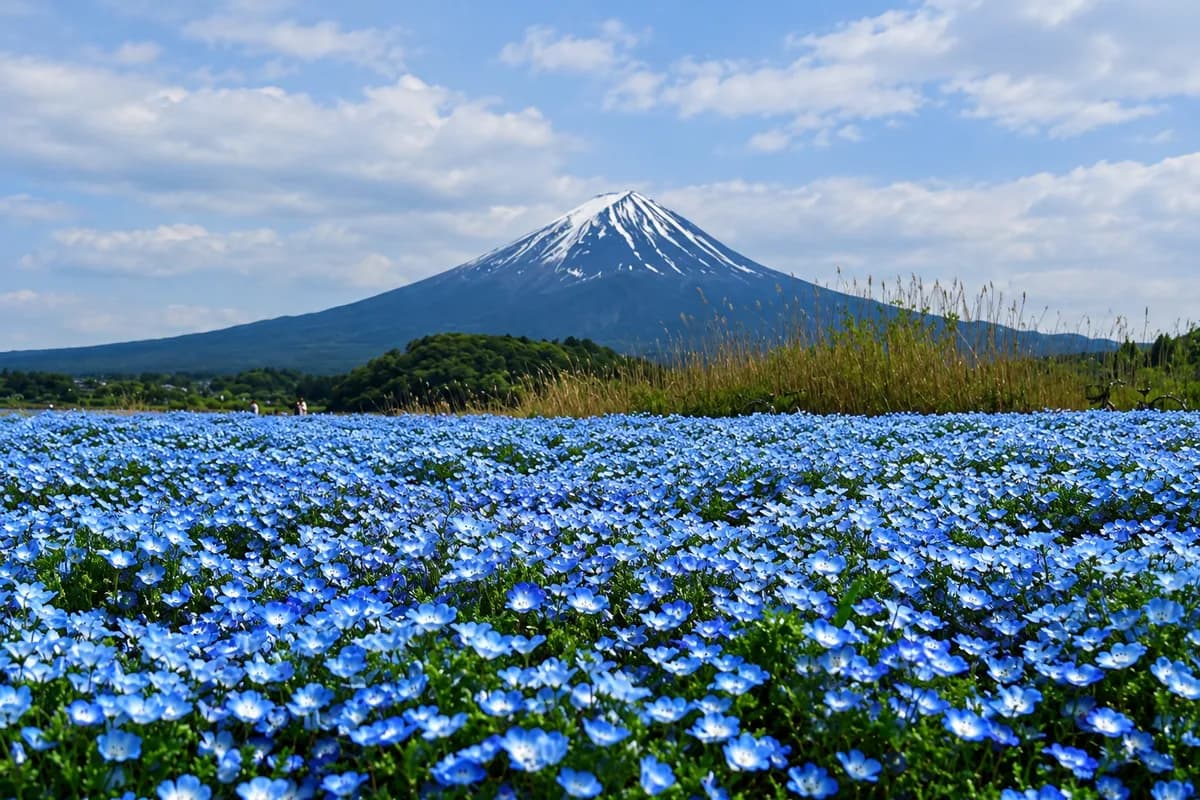
Miho no Matsubara: Pines, Shrine and Shore
Walk from the Miho Matsubara Iriguchi bus stop to the shrine, pine avenue and coast, with Fuji as a weather-dependent view.
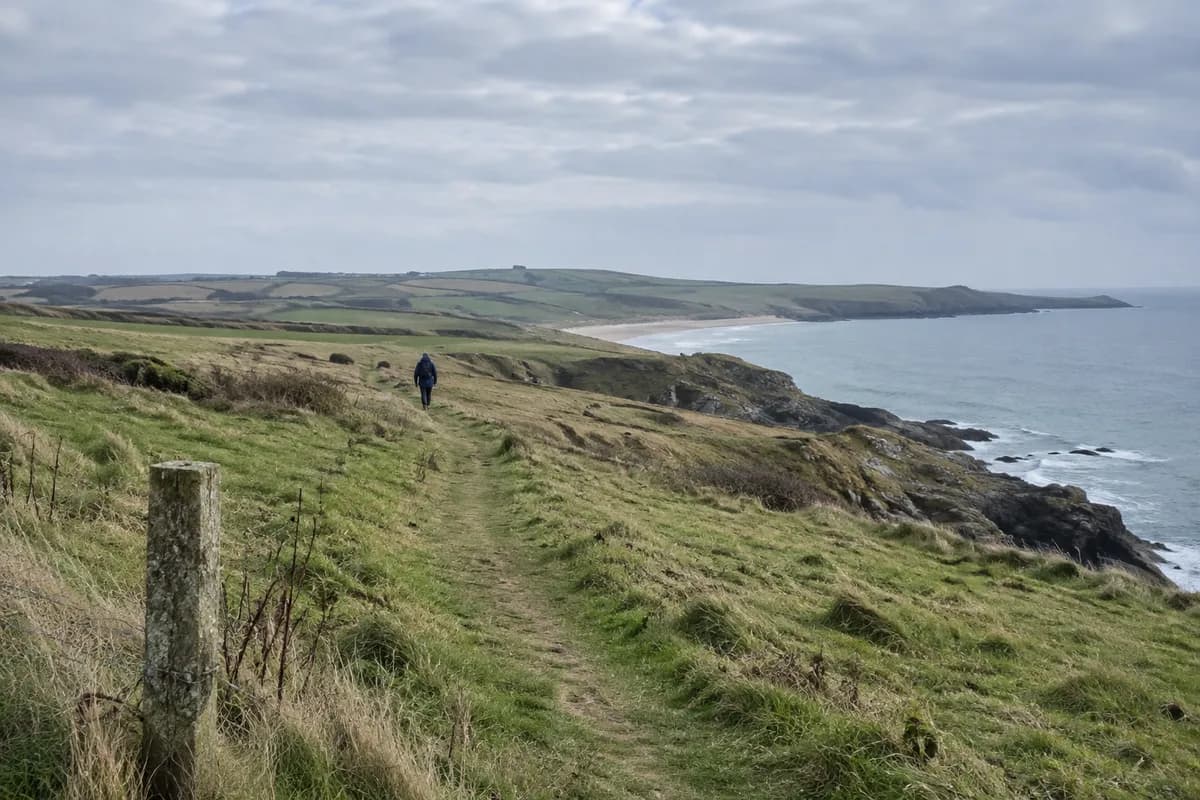
Miho no Matsubara is worth planning as a pine-forest and coastal walk, with Mount Fuji as a possible view. Make the core visit the route between Miho Shrine, the Kami no Michi pine avenue, Miho Shirube and the shore. That gives you a reason to come even when cloud hides the mountain.
Follow the pines toward the sea
The cultural center’s walking introduction connects Miho Shrine with the roughly 500-meter Kami no Michi avenue and the Hagoromo pine area. The avenue belongs to the local story of a deity arriving from the sea and traveling toward the shrine. It makes a useful physical link between the shrine visit and the coast rather than a second, disconnected sight.
Continue to Miho Shirube for the cultural and landscape background, then reach the shore by the Hagoromo pine area. The center’s FAQ identifies the beach there as one of the Fuji viewpoints. Visibility depends on weather; waiting longer cannot guarantee a clear mountain.
Miho Shirube is free and normally open 09:00–16:30. The center estimates about one to one-and-a-half hours for its visit together with the Hagoromo pine and Kami no Michi area. That estimate is not a measured full coastal circuit. Keep your first visit around these named places and return by the same avenue; a longer shoreline walk needs its own time allowance.
Use the ordinary bus stop as the anchor
From JR Shimizu station, take a Miho-bound bus to Miho Matsubara Iriguchi (三保松原入口). The cultural center lists about 25 minutes on the bus and about 15 minutes on foot from this stop. The closer Sekai Isan Miho Matsubara stop has weekend/holiday service, so do not make it the only way home on a weekday.
Walk back to Miho Matsubara Iriguchi for the return and take the Shimizu-station-bound direction. The bus operator’s stop listing distinguishes that direction from buses farther into Miho and those toward Kusanagi. Check a dated journey on Shizutetsu’s site before leaving the station. Budget the walk back from the shore before the bus, then the train connection beyond Shimizu.
The 2026 maintenance notice includes pesticide work in the pines. It instructs visitors to avoid treated areas on spraying days, even after the Hagoromo-area spraying has finished. Its listed spring and summer dates do not mean an October closure; use any current barriers or rescheduling notices on the day.
For a separate Fuji-focused stay, Kawaguchiko’s north shore offers a different lake setting. Here, the shrine-to-sea walk remains the plan when Fuji is out of view.
What this guide is based on
This guide is researched editorial guidance. A source review does not confirm current local access, road conditions or your individual ability.
- Miho walking introduction ↗Shizuoka City Miho no Matsubara Culture and Creativity Center · A40-G37-S1
Descriptive cultural article, not current transport schedule.
- Miho FAQ ↗Shizuoka City Miho no Matsubara Culture and Creativity Center · A40-G37-S2
Includes corrected discontinued bus-stop warning; current normal access, not live departures.
- Miho access ↗Shizuoka City Miho no Matsubara Culture and Creativity Center · A40-G37-S3
Normal approximate durations only.
- Miho Matsubara Iriguchi stop routes ↗Shizutetsu Justline via NAVITIME · A40-G37-S4
Operator stop listing in Chinese localization; no departure table used.
- Shizutetsu bus ↗Shizutetsu Justline · A40-G37-S5
Search interface read; no specific journey or fare asserted.
- 2026 pesticide spraying ↗Shizuoka City Miho no Matsubara Culture and Creativity Center · A40-G37-S6
Listed seasonal work, not current October closure.